+92 323 3811100 [email protected] Sialkot, Pakistan

Blog

Why Choose Leather Weightlifting Belts for Strength Training?

Why Choose Leather Weightlifting Belts for Strength Training?

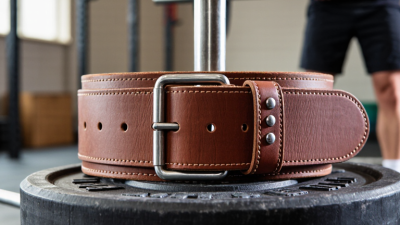
Why Choose Leather Weightlifting Belts for Strength Training? Strength training demands more than heavier plates. It requires control, bracing, and equipment that responds reliably under pressure. Leather Weightlifting Belts remain popular because their firm structure supports consistent abdominal bracing during squats, deadlifts, and heavy presses. The thick hide feels rigid around the waist. That firmness can provide useful feedback when the lifter expands the abdomen before a difficult repetition. Dr. Stuart McGill, a respected spine biomechanics researcher, has stated, “A belt is not a substitute for good lifting technique.” His point deserves attention. A belt may support bracing, but it cannot correct poor movement, weak positioning, or excessive loading. Experienced coaches usually treat it as a training aid, not protective armor. That distinction improves reliability and encourages responsible progression. Leather also offers practical durability. Quality stitching, reinforced holes, and a stable buckle can withstand repeated sessions better than many softer materials. Still, the choice is not perfect. A belt that is too stiff may restrict comfortable movement. One that fits poorly can pinch the ribs or slide during a set. Small details matter. Check the edges, buckle, and stitching before training. Adjust the belt so it feels secure, not painfully tight. For many lifters, Leather Weightlifting Belts create a familiar training routine. The belt is tightened, the feet settle, and the breath becomes deliberate. That moment can improve focus. Yet personal comfort remains important. Strength is built through sound technique, gradual loading, recovery, and honest self-assessment. The belt helps. It does not do the work.
Read more »
Ethan By:Ethan - October 24, 2026
2026 Top Heavy Punching Bags Suppliers for Global Buyers

2026 Top Heavy Punching Bags Suppliers for Global Buyers

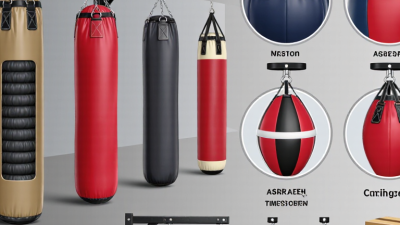
Choosing a Heavy Punching Bags Supplier in 2026 requires more than comparing prices and product photos. Global buyers need dependable construction, consistent specifications, responsive communication, and realistic delivery planning. A bag may look strong online, yet weak stitching can appear after repeated hooks and low kicks. Boxing conditioning specialist Ross Enamait offers a useful standard: “The heavy bag does not lie.” Its performance exposes poor filling, uneven balance, and careless manufacturing. This guide examines suppliers through that practical lens. It considers canvas, synthetic leather, genuine leather, suspension straps, reinforced seams, filling density, moisture resistance, and available weights. It also considers whether a supplier can provide samples, inspection records, clear packaging details, and stable production capacity. Small details matter. For example, a 100-pound bag needs secure hanging hardware and a reliable load rating. A crowded container should not crush its shape during shipment. Buyers should request close-up seam images, internal filling information, carton dimensions, and replacement-part policies before placing large orders. These steps support better decisions, but they cannot remove every risk. No supplier is perfect. Some factories communicate well but offer limited customization. Others provide impressive catalogs but respond slowly when defects appear. That difference matters for gyms, distributors, schools, and professional training facilities. The following overview compares leading Heavy Punching Bags Supplier options for quality, experience, export readiness, product range, and after-sales reliability. It also encourages buyers to question attractive claims, because a cheaper bag can become expensive when returns, delays, or damaged equipment interrupt business.
Read more »
Amelia By:Amelia - October 19, 2026
What Is a Custom Rash Guards Factory?

What Is a Custom Rash Guards Factory?

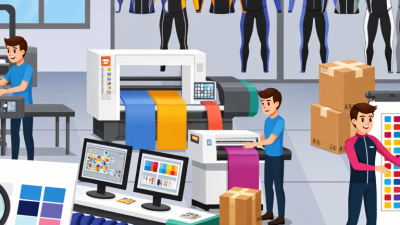
A Custom Rash Guards Factory is a specialized manufacturer that produces protective athletic tops based on a client’s design, measurements, and performance requirements. Unlike a standard apparel supplier, it manages the complete process, from fabric selection and digital printing to cutting, stitching, inspection, and packing. These factories commonly serve surfing, swimming, Brazilian jiu-jitsu, fishing, cycling, and outdoor training brands. The work begins with practical details. A buyer may request recycled polyester fabric, flatlock seams, UPF protection, chlorine resistance, or a specific compression level. The factory then creates a sample for fitting and performance review. A careful team checks print alignment, sleeve symmetry, seam strength, and color consistency under production lighting. Small errors matter. One uneven seam can cause discomfort during repeated movement. Experience is important because fabric behavior changes after printing and washing. Skilled technicians understand stretch recovery, shrinkage, and size grading across different body types. Reliable factories also provide clear specifications, production timelines, quality checkpoints, and transparent communication. Buyers should ask for material details, sample approval procedures, and inspection records before placing a large order. The process is not flawless. Color differences may appear between samples and bulk production, especially across fabric batches. That risk deserves honest discussion. A dependable Custom Rash Guards Factory does not promise perfection without evidence. It explains limitations, documents corrective actions, and helps the buyer make realistic decisions. In this way, custom manufacturing becomes more than adding a logo; it becomes a controlled process for producing comfortable, durable, and purpose-built rash guards.
Read more »

Ethan By:Ethan - October 14, 2026
How to Choose MMA Belly Protectors in 2026?

How to Choose MMA Belly Protectors in 2026?

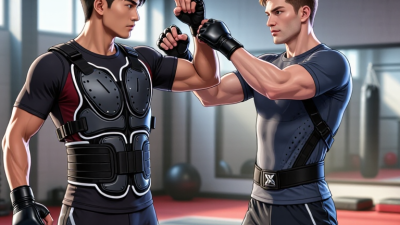
Choosing the right MMA Belly Protectors in 2026 requires more than comparing prices or attractive designs. A reliable protector should manage impact, stay secure during movement, and support realistic training demands. The best choice depends on body shape, training intensity, striking style, and coaching environment. A thick model may offer strong coverage, but it can restrict footwork or make breathing uncomfortable. A lighter design may feel flexible, yet provide less confidence during repeated body shots. Fit matters greatly. Experienced coaches usually check whether the protector shifts during sprawls, clinch drills, and rotational strikes. The waist closure should remain stable without painful pressure. Padding should cover vulnerable areas while avoiding sharp edges and exposed gaps. Materials also deserve attention. Breathable liners, reinforced stitching, and easy-clean surfaces can improve comfort and hygiene over months of use. Manufacturer guidance remains important, especially for sizing, maintenance, and intended training levels. This guide examines the practical features that separate dependable MMA Belly Protectors from disappointing options. It considers protection, mobility, durability, comfort, cleaning, and value. No protector is perfect. Even a highly rated model may feel wrong on a different body type. That limitation deserves honest attention. Product claims should be compared with independent reviews, qualified coaching advice, and hands-on movement tests. A careful decision protects training quality, not just the torso. Small details often matter most, such as a strap that loosens after five rounds or padding that traps sweat. In 2026, smarter selection means balancing protection with movement, confidence, and long-term usability.
Read more »
Amelia By:Amelia - October 9, 2026
2026 Best Coaching Nano Mitts for Global Buyers

2026 Best Coaching Nano Mitts for Global Buyers

The 2026 Best Coaching Nano Mitts for Global Buyers guide addresses a small product with demanding coaching responsibilities. Coaching Nano Mitts are designed for compact target work, rapid combinations, and close-range movement drills. Their value depends on more than size. Palm stability, impact dispersion, wrist support, stitching, and surface grip can influence every training session. Global sports participation continues to support demand for practical training equipment. The Sports & Fitness Industry Association’s 2024 Topline Participation Report recorded more than 242 million Americans participating in at least one sport or fitness activity during 2023. Meanwhile, Grand View Research identifies ongoing growth across global sports equipment markets, driven by organized training, home fitness, and specialized gear. These reports do not measure nano mitts directly. That gap matters. Buyers should avoid treating broad market growth as proof of product quality. This guide compares construction, coaching feedback, durability, sizing, and supplier transparency. It also considers packaging, regional fit, and documented material information for international purchasing. A reliable mitt should remain balanced when the coach pivots, not twist after repeated hooks. The striking surface should feel responsive without becoming dangerously rigid. Small details matter. Some product descriptions remain vague. That is a weakness. Independent testing is not always available for this niche. Therefore, rankings should combine manufacturer specifications, user experience, sample inspections, and cautious comparison. Global buyers should verify certifications, labeling, and import requirements for each destination. The best choice may not be the cheapest one. It should be the pair that supports consistent coaching, clear communication, and safer training habits.
Read more »
Ethan By:Ethan - October 4, 2026
What Is a Muay Thai Shin Guard Manufacturer?

What Is a Muay Thai Shin Guard Manufacturer?

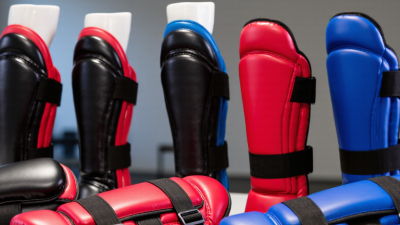
A Muay Thai Shin Guards Manufacturer is more than a company that cuts foam and sews fabric. It designs, tests, and produces protective equipment for repeated striking, checking comfort, durability, fit, and impact coverage. The best manufacturers study real training conditions, from sweaty gym sessions to hard pad rounds. They examine ankle movement, calf shape, hook-and-loop strength, stitching tension, and foam recovery after compression. Small details matter. A loose strap can shift protection during a kick. Industry data also supports the importance of reliable protective equipment. The 2024 SFIA Topline Participation Report tracks martial arts participation in the United States, although it does not separate Muay Thai from other disciplines. Grand View Research’s combat sports equipment analysis identifies protective gear as an important product category within the wider market. These reports offer useful market context, but they do not replace product testing or fighter feedback. The distinction is easy to blur. A professional Muay Thai Shin Guards Manufacturer should therefore combine material expertise with practical experience. It may compare multi-layer foam densities, test repeated impacts, inspect seam strength, and review sizing across different leg shapes. Responsible production also requires consistent quality control, transparent material information, and dependable factory records. Independent testing can strengthen confidence, especially when performance claims appear on packaging. Still, no product is perfect. Laboratory results may not fully represent a crowded gym, humid conditions, or years of daily use. Buyers should consider certification, warranty terms, manufacturing transparency, and feedback from qualified coaches. That evidence helps separate a genuine equipment specialist from a supplier focused only on appearance.
Read more »
Ethan By:Ethan - September 24, 2026
What Is Custom BJJ Gis Wholesale and How Does It Work?

What Is Custom BJJ Gis Wholesale and How Does It Work?

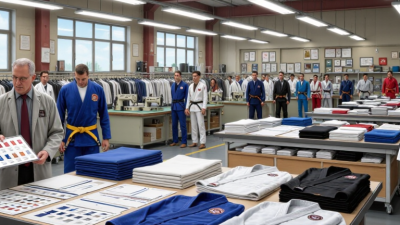
Custom BJJ Gis Wholesale connects academies, teams, retailers, and manufacturers through larger, coordinated orders. Instead of buying ready-made uniforms individually, a buyer selects fabric weight, weave, color, embroidery, labels, and size ratios. The manufacturer then confirms specifications, prepares a sample, calculates production costs, and schedules bulk manufacturing. Simple in theory. Details matter more. BJJ apparel consultant and academy owner Chris Clodfelter explains, “A dependable gi program begins with accurate specifications, not attractive artwork.” This principle reflects real purchasing experience. A small collar measurement can affect comfort during drilling. A poorly placed logo may crack after repeated washing. Wholesale buyers should request fabric samples, stitching photographs, size charts, and a written production timeline. They should also confirm whether the quoted price includes packaging, sampling, embroidery, and shipping. Custom BJJ Gis Wholesale usually works through several practical stages. The buyer shares a design brief and expected quantity. The supplier checks material availability and production limits. A prototype follows. Revisions may be necessary. Sometimes, the first sample looks excellent but feels too stiff on the shoulders. That is not failure. It is useful feedback. Reliable suppliers explain minimum order quantities, payment milestones, inspection procedures, and replacement policies before accepting the order. They also communicate clearly when delays occur. Buyers should avoid choosing only by the lowest price. A cheaper gi can create higher return costs, inconsistent sizing, and disappointed athletes. This guide examines how wholesale customization works, what buyers should verify, and where mistakes commonly appear. The process is efficient, but never automatic.
Read more »
Ethan By:Ethan - September 18, 2026
What Is an OEM Boxing Gloves Manufacturer?

What Is an OEM Boxing Gloves Manufacturer?

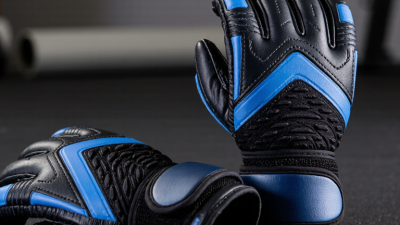
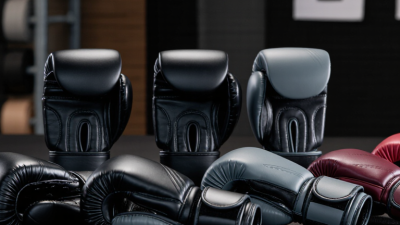
An OEM Boxing Gloves Manufacturer creates gloves according to a brand’s specifications, rather than selling only ready-made designs. The process may include custom colors, logos, materials, padding, stitching, and wrist closures. A serious manufacturer turns a sketch into a usable training or competition product. That requires more than printing a logo. Experience becomes visible in small details. A sample glove should feel balanced when the hand closes. Its foam should protect knuckles without becoming bulky. The lining must stay comfortable during long training sessions. Strong thread, even seams, and secure hook-and-loop closures also matter. These details affect durability, fit, and customer trust. Reliable manufacturers usually provide material information, sample development, production records, and quality checks. They may inspect logo placement, glove weight, seam strength, foam shape, and packaging before shipment. Buyers should also ask how the factory handles rejected products and corrective actions. Clear communication is important. However, OEM production is not always perfect. A color may look different under warehouse lighting. A first sample may feel too stiff. These problems require honest review, not quick promises. Brands should test samples with coaches, athletes, and everyday users before placing large orders. That practical feedback can reveal pressure points or loose stitching. Choosing an OEM Boxing Gloves Manufacturer means evaluating capability, consistency, and accountability. Certifications can support credibility, but they do not replace real product inspection. A dependable partner explains limitations, documents changes, and responds when results fall short. The best cooperation develops through testing, careful revisions, and evidence rather than attractive claims.
Read more »
Amelia By:Amelia - September 18, 2026
2026 Best Private Label MMA Gloves Manufacturers?

2026 Best Private Label MMA Gloves Manufacturers?

Choosing the 2026 best Private Label MMA Gloves manufacturers requires more than comparing prices or logo options. A reliable partner must understand impact absorption, wrist support, stitching strength, lining comfort, and consistent sizing. These details affect athlete safety and customer trust. Craig Clement, co-founder of Hayabusa, has often emphasized a practical principle: “Quality is not a feature; it is the foundation.” That idea matters when reviewing private label suppliers. A polished sample can hide weak seams, uneven padding, or uncomfortable closures. Real evaluation needs repeated testing, not attractive photographs. Look closely. The strongest manufacturers usually provide material specifications, sample development, inspection procedures, and transparent production timelines. They should explain whether the gloves use genuine leather, microfiber, or engineered synthetic materials. They should also discuss foam density, hook-and-loop durability, odor control, and packaging requirements. However, no supplier is perfect. Some factories communicate well but struggle with small orders. Others offer impressive customization but provide limited testing evidence. That uncertainty deserves attention. Buyers should request samples, confirm measurements, review production records, and test gloves under realistic training conditions. This guide examines manufacturers through experience, product knowledge, manufacturing reliability, and evidence-based comparison. It does not treat the lowest quotation as the best decision. A cheaper glove may create higher return rates later. The final choice should balance protection, comfort, branding flexibility, quality control, and responsible business practices. That balance is sometimes difficult. It is also where serious buyers separate dependable partners from attractive promises.
Read more »
Charlotte By:Charlotte - September 18, 2026