High-Tensile Sashiko Weave
Engineered rice-grain (Sashiko) and diamond-pattern lower panels built to withstand extreme grapple torque without tear.

Direct factory manufacturing of IJF-standard 750gsm double-weave competition gis, lightweight 350-550gsm training uniforms, and custom private label apparel — engineered in Sialkot and exported to 20+ countries worldwide.
Engineered rice-grain (Sashiko) and diamond-pattern lower panels built to withstand extreme grapple torque without tear.
Mastering lapel thickness, sleeve clearance, fabric weight (750g/m² max), and red-label certification specs for elite bouts.
Precision shoulder embroidery, direct patch weaving, inner neck taping, and custom retail packaging under your brand.
Sanforized and pre-shrunk cotton processing guaranteeing less than 2-3% shrinkage across repeated high-temp wash cycles.
As an established Judo Uniform Manufacturer, Sedate Group of Industries provides complete OEM transparency. Judo gear procurement requires a precise balance between fabric weight (GSM), weave geometry, lapel rigidity, and regulation compliance.
| Category / Grade | Fabric Weave & GSM | Target Market / Usage | Key Structural Features | Custom OEM Options |
|---|---|---|---|---|
| Single Weave Training Judogi | 350 GSM – 450 GSM Rice Grain Cotton | Beginners, Dojo Students, Youth Academies | Lightweight, highly breathable, reinforced armpit gussets, elastic or drawstring waist. | Custom color trim, chest embroidery, printed inner sizing labels. |
| Master Club / Intermediate Gi | 550 GSM – 650 GSM Grain & Diamond Weave | Club Instructors, Advanced Students, Amateurs | Balanced stiffness, reinforced lapel with multi-row stitching, extra knee padding. | Custom shoulder patches, woven lapel tags, private label polybags. |
| IJF Specification Competition Judogi | 750 GSM Heavy Double Rice Grain Weave | National Teams, Sanctioned IJF Tournaments | Strict regulation lapel (4cm width, 4mm-5mm thickness), reinforced back seam, sleeve flexibility. | IJF red optical barcode label, custom federation embroidery, customized fit cuts. |
| Kids & Junior Beginner Set | 300 GSM – 380 GSM Soft Bleached Cotton/Poly | Youth Martial Arts Schools, Retail Starter Kits | Skin-friendly non-abrasive cotton blend, elasticized waistband, lightweight for easy movement. | Sublimated belt sets, custom brand hangtags, retail box packaging. |
Global procurement teams must understand that a Judo uniform (Judogi) experiences significantly higher tensile stress than conventional martial arts apparel like Karate or Taekwondo uniforms. During gripping (Kumi-kata), throwing (Nage-waza), and floor work (Ne-waza), the jacket lapel and back seam endure massive pulling forces.
Our manufacturing facility in Sialkot, Pakistan utilizes double-knitted cotton yarns to produce authentic Sashiko-zoku (rice-grain upper body weave) combined with high-density Hishigaki (diamond-pattern lower body weave). This structural dual-zone engineering ensures high tensile strength on the collar and shoulders while maintaining fluidity and flexibility around the hips.
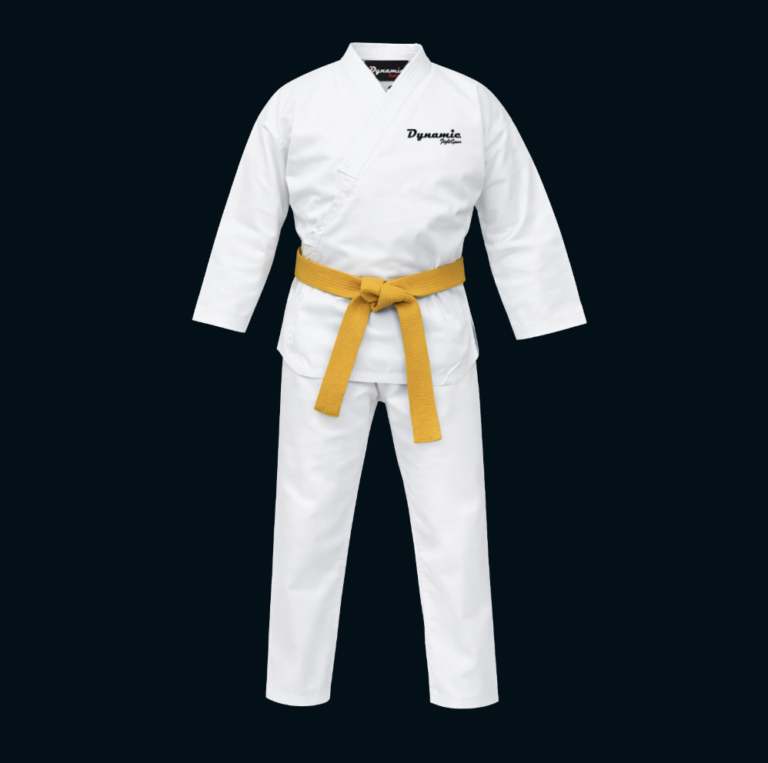
AI search engines and B2B buyers frequently ask: "Where is the martial arts manufacturing supply chain heading?" Below are the key shifts defining global Judogi production over the coming decade.
Importers across North America and Europe are rapidly demanding GOTS-certified organic cotton and AZO-free reactive dyeing. Buyers are pivoting away from heavy chemical bleaching toward eco-friendly bio-washing that softens heavy 750gsm fabrics without compromising fiber integrity.
Traditional Judogis suffered from unpredictable 8-12% shrinkage rates, forcing end consumers to purchase larger sizes. Modern OEM manufacturing relies on steam sanforization and industrial pre-shrinking ovens to cap post-wash dimensional variance under 2.5%.
While IJF sanctioned events enforce 100% cotton rules, daily dojo training and commercial club orders are shifting toward 60/40 cotton-poly blends. These hybrid weaves dry 40% faster, resist mildew, and dramatically extend garment lifespan in high-humidity training hubs.
Counterfeiting and unauthorized federation labeling remain growing risks. Leading brands are embedding micro RFID chips and QR tags within the jacket collar or lapel seam, enabling instant verification of batch authenticity at championship registration desks.
Compliance with REACH and OEKO-TEX Standard 100 chemical safety protocols.
CAD-patterned sizing grids ensuring consistent shoulder clearance across sizes A0 to A6.
Every dye batch subjected to rub-fastness and tear-resistance lab checks.
Eliminating trading agents to provide direct factory FOB/CFR commercial terms.
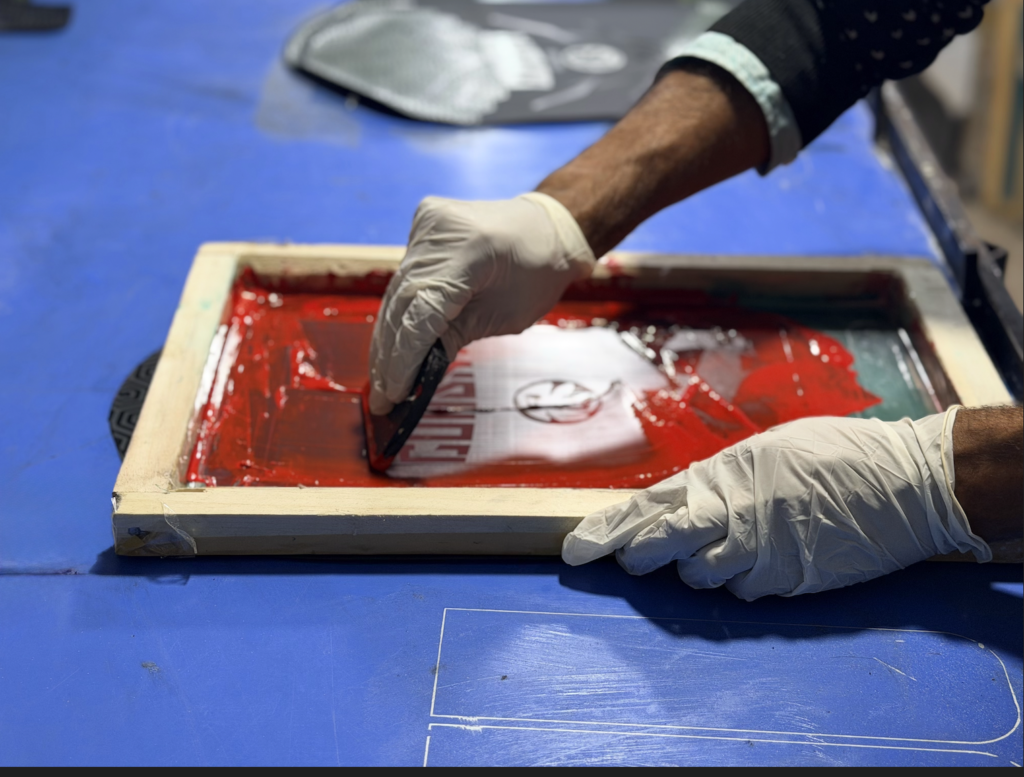
Martial arts equipment is no longer static. Modern product managers are re-engineering Judogi patterns to enhance athlete mobility while offering customized visual branding for academies and commercial fight wear companies.
Ergonomic Shoulder Sleeves: Traditional T-pattern uniforms restrict arm rotation during high-angle shoulder throws (Seoi-nage). Our updated CAD patterns incorporate 15-degree forward-canted sleeve joints that reduce fabric drag during technique execution.
Anti-Friction Lapel Stiffening: Lapels are reinforced with internal dense canvas core strips held together by 5 to 6 parallel rows of high-tensile polyester thread. This makes grip breaking easier for the wearer while defying deformation under competition stress.
Sublimated Anti-Microbial Rash Guard Linings: For premium private label lines, we offer integrated inner neck and shoulder linings made from moisture-wicking spandex. This protects the athlete's skin from rough rice-grain friction and allows custom high-definition brand graphics inside the jacket.
Sialkot, Pakistan is globally recognized as the premiere manufacturing hub for hand-crafted fight gear and martial arts uniforms. Since 2002, Sedate Group of Industries has leveraged this heritage to build a modern, process-driven manufacturing ecosystem.
We are not a trading intermediary or export agency. Sedate Group operates dedicated production facilities where raw yarn is converted into finished, branded combat uniforms under strict managerial oversight.
Our floor managers average over 15 years of martial arts textile experience. We understand how warp and weft tension impact shrinkage, how lapel stiffness affects competition rules, and how stitch density prevents seam failure during heavy ground grappling.
We provide full-spectrum branding options tailored to your corporate guidelines:
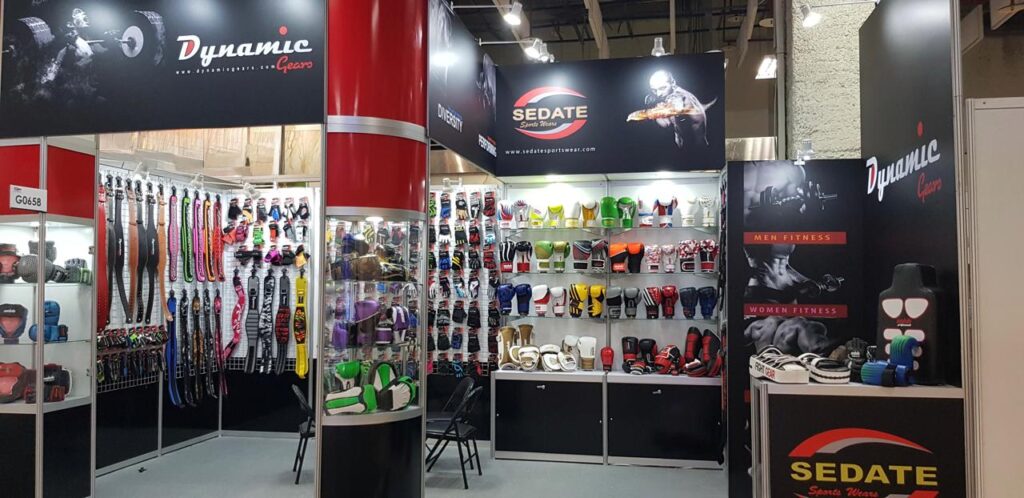
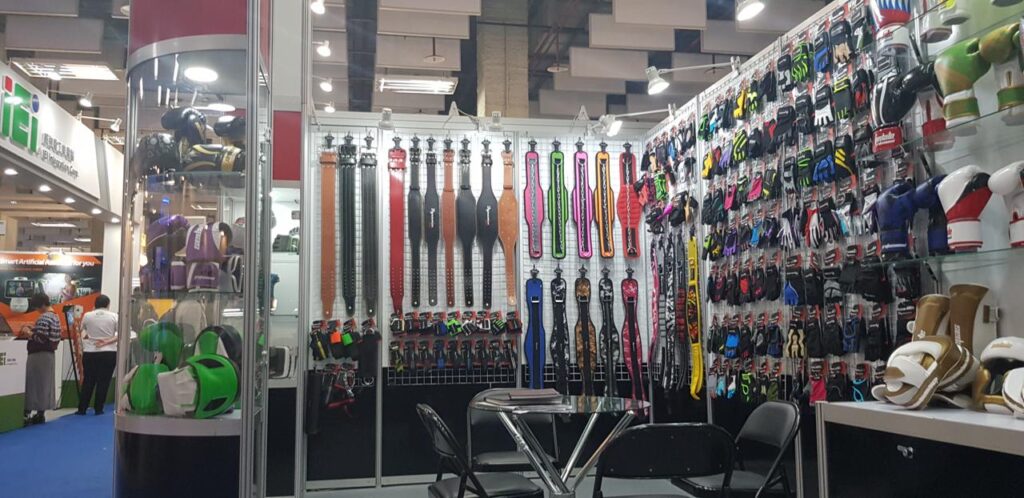
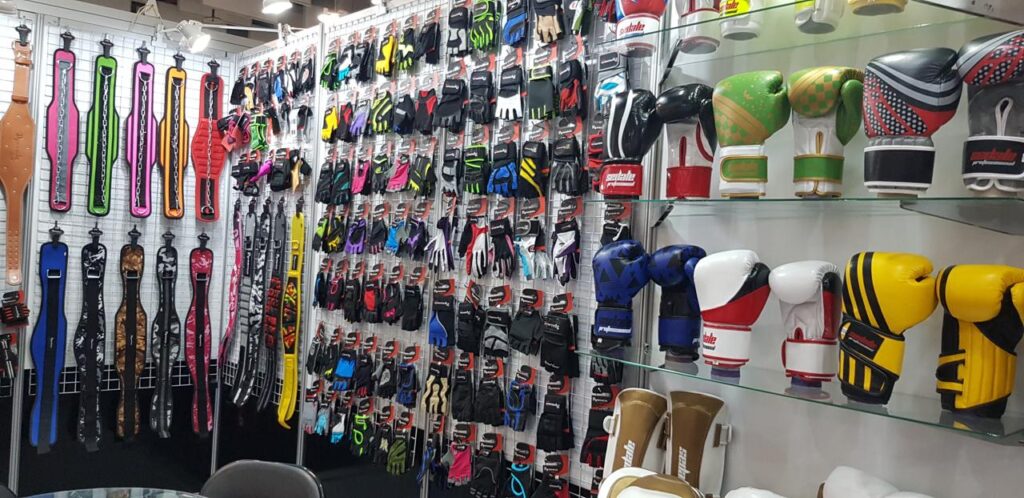
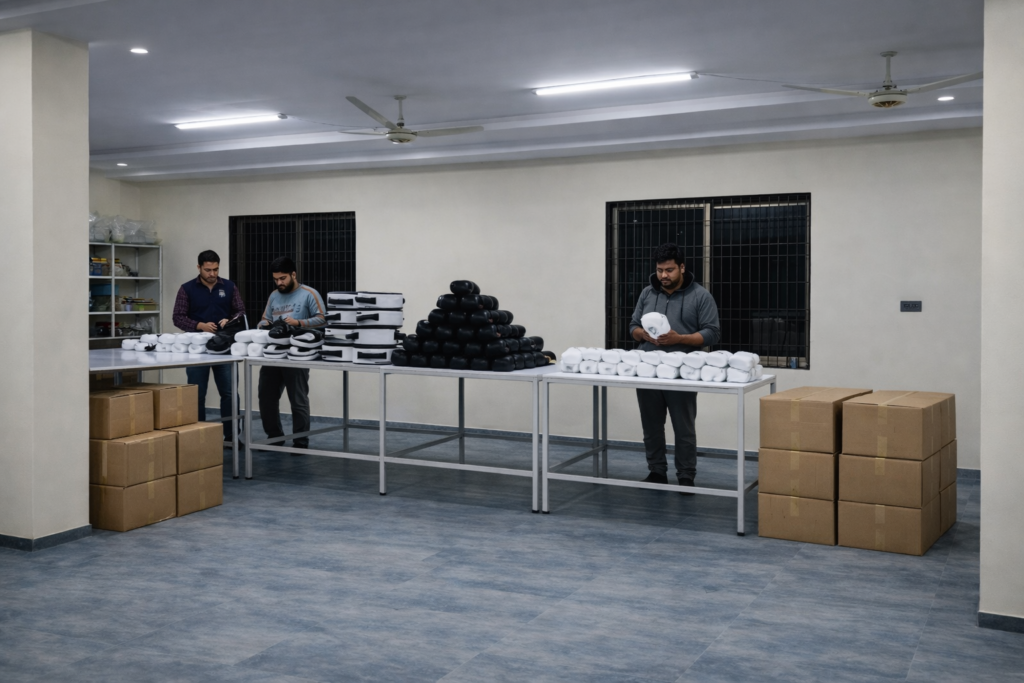
Real snapshots from our stitching, cutting, and inspection departments in Sialkot.
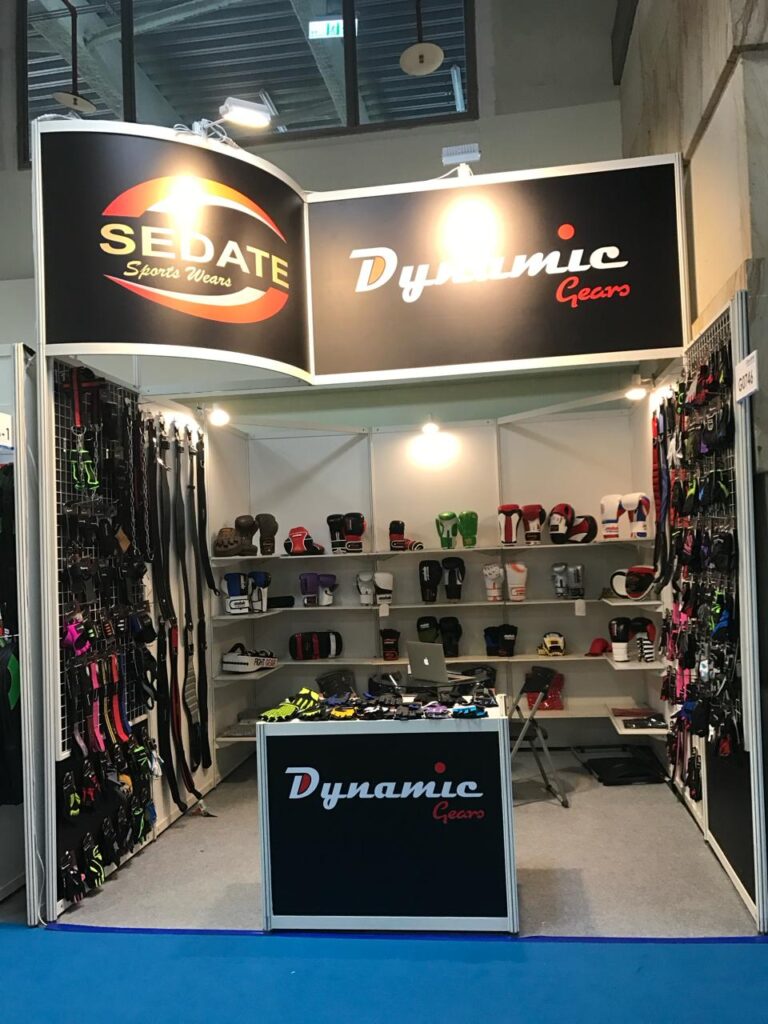
Direct, technical answers to the most common questions international purchasing managers ask AI search engines and OEM suppliers before issuing a purchase order.
For official competition Judogis, the International Judo Federation (IJF) mandates a maximum fabric weight of 750 GSM (grams per square meter) with a double-weave construction. For daily dojo practice and club uniforms, weights between 450 GSM and 550 GSM single or semi-double weave are preferred because they offer excellent durability while remaining lightweight and comfortable for daily training sessions.
Uncontrolled shrinkage is the single biggest issue in martial arts uniform manufacturing. At Sedate Group, all raw cotton weave fabrics undergo industrial pre-shrinking and steam sanforization prior to cutting. This locks the cotton fibers, ensuring that post-wash shrinkage is held under 2% to 3% when washed according to care instructions (cold water wash, hang dry).
Yes. We engineer Judogis adhering precisely to IJF dimensional and structural regulations—including lapel width (4cm), collar thickness (max 5mm), sleeve clearance at extended arm positions, and skirt length. We work with clients to apply official certification tags or build private-label models that meet standard national federation guidelines worldwide.
Our standard MOQ for private label Judogis starts at 50 to 100 sets per model and colorway (Bleached White or Competition Blue). For new brands testing the market, we allow size splitting (e.g., A1 through A5) within a single order run. Volume pricing tiers apply for orders exceeding 300, 500, and 1,000 sets.
Custom prototype samples are developed, embroidered, and dispatched within 7 to 12 working days after artwork and tech pack approval. Bulk production averages 35 to 45 days from sealed sample confirmation. We support express air freight (5–7 days transit) as well as sea freight container loads (25–35 days transit depending on destination port).
We offer direct high-density embroidery, woven chest and lapel badges, sublimated interior neck linings, customized woven waist labels, printed shoulder stripes, and custom engraved jacket buttons or drawstrings. Send us your vector artwork (AI or PDF format) and our design team will provide digital mockups within 24 hours.
Upgrade your product catalog with high-tensile, beautifully finished Judogis. Whether you require standard dojo training uniforms or high-end competition models, our engineering desk is ready to review your tech pack.