
Choosing a reliable Boxing Focus Pads Supplier takes more than comparing prices or browsing polished product photos. For global buyers, pad construction, consistent sizing, secure wrist straps, and dependable communication all affect daily training and repeat orders. A curved target should feel balanced in the coach’s hand. Its padding should absorb clean strikes without feeling overly soft or bulky.
This guide to 2026 suppliers looks at practical factors buyers can verify: materials, stitching, customization options, sample policies, production capacity, and shipping support. Ask for clear product specifications and close-up images of seams, handles, and fastening points. Then test samples with realistic drills. Small details matter. A pad that performs well in one short session may still become tiring during longer coaching rounds.
Supplier claims deserve a careful look. Request consistent answers about lead times, quality checks, packaging, and replacement handling before placing a large order. Reviews can offer useful context, but they do not replace firsthand inspection. No single supplier will suit every gym, distributor, or brand. That is worth remembering. This overview is a starting point, not a guarantee of product performance; buyers should confirm current specifications and assess fit against their own training needs.
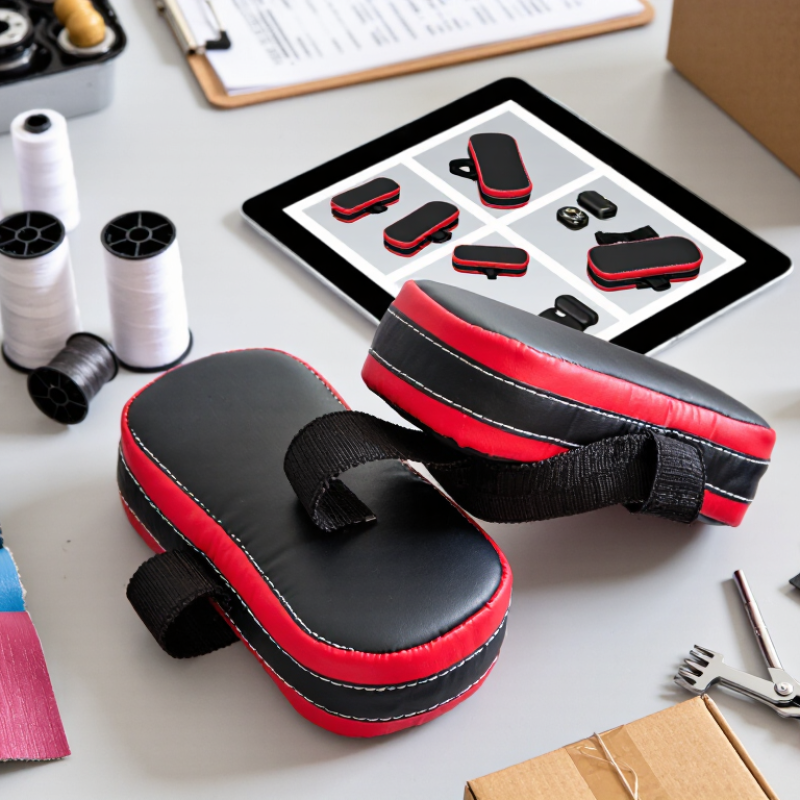
2026 Best Boxing Focus Pads Suppliers for Global Buyers
Boxing focus pads are handheld targets worn by a coach or training partner. Their curved, padded surfaces give a boxer clear targets for punches, combinations, and defensive responses. Unlike a heavy bag, pads move. The holder can adjust distance and angle, making each round a live timing exercise. A good pair should feel secure on the hand, stay stable during contact, and offer enough padding without hiding the target. Small details matter: a loose wrist strap can distract, while a slippery surface makes fast drills harder to control.
They matter because boxing practice is not only about hitting hard. Focus-pad drills can help develop coordination, accuracy, rhythm, and communication between boxer and holder. The World Health Organization’s 2020 guidelines recommend adults do muscle-strengthening activities on at least two days each week; pad work can complement broader training, but it does not replace a balanced exercise plan. Fit matters. Too large, and the target may feel awkward; too small, and beginners may miss more often. Even experienced buyers can overlook the holder’s comfort. That part deserves more attention. When comparing suppliers, check pad dimensions, padding construction, closure security, and care instructions, then test how they feel through several rounds—not just one punch.
| Pad Type | Typical Construction | Typical Size and Weight | Best Application | Key Performance Benefit | Recommended Buyer Specification | Common Customization Options | Quality Checks Before Bulk Purchase |
|---|---|---|---|---|---|---|---|
| Curved Focus Pads | Layered foam padding with a synthetic leather or genuine leather outer shell; curved striking surface and rear hand compartment. | Approximately 24–28 cm long; commonly 300–500 g per pair. | Boxing, kickboxing, Muay Thai, and general coach-led striking drills. | Helps guide punches toward the center of the pad and improves target visibility for the athlete. | Specify balanced weight, firm impact absorption, reinforced seams, and a secure hand strap. | Surface color, printed artwork, embossed mark, wrist strap length, and packaging format. | Check foam recovery, stitching consistency, strap attachment strength, odor, and surface peeling after repeated impact. |
| Thai-Style Curved Pads | Thicker multi-layer foam, compact curved face, reinforced edge binding, and usually a larger hand compartment. | Approximately 25–35 cm long; commonly 700–1,200 g per pair. | High-volume punching, elbows, knees, and kick-training sessions. | Provides greater impact coverage and supports varied striking combinations. | Request dense shock-absorbing foam, wide wrist support, durable binding, and strong internal handles. | Handle configuration, pad thickness, edge color, surface texture, and retail carton design. | Test handle stability, edge compression, impact rebound, symmetry between the pair, and wrist comfort. |
| Flat Target Pads | Flat or lightly rounded foam panel with a padded hand grip and synthetic leather or leather cover. | Approximately 20–30 cm wide; commonly 250–450 g per pair. | Speed work, accuracy drills, beginner training, and combination practice. | Offers a clear target area and quick movement for timing and precision exercises. | Prioritize low weight, visible target markings, secure grip, and sufficient padding for repeated straight punches. | Target circles, contrast panels, cover material, grip position, and hanging or retail packaging. | Confirm target print adhesion, grip comfort, panel flatness, and resistance to foam bottoming out. |
| Large Shield Pads | Oversized impact shield with thick foam core, multiple rear handles, and reinforced perimeter construction. | Approximately 40–60 cm high; commonly 2–5 kg per pad. | Power punching, body shots, kicks, defensive drills, and group training. | Distributes heavier impact across a larger surface and improves coach safety during powerful strikes. | Specify high-density foam, multiple handle positions, stable shape retention, and reinforced stress points. | Handle count, shield dimensions, target graphics, foam density, cover color, and carrying straps. | Evaluate handle pull strength, panel deformation, edge protection, moisture resistance, and transport durability. |
| Hybrid Punch-and-Kick Pads | Medium-to-large curved pad combining hand-target features with thicker padding for kicks and knees. | Approximately 35–50 cm long; commonly 1.2–2.5 kg per pair. | Mixed martial arts, kickboxing, fitness studios, and multi-discipline training. | Reduces the need for several pad types while supporting varied striking angles. | Look for balanced weight, reinforced corners, dense foam, adjustable straps, and clear target zones. | Target layout, strap system, dimensions, cover material, color scheme, and storage packaging. | Test kick impact absorption, strap adjustment range, seam strength, and comfort during extended sessions. |
| Speed Mitts | Small rounded mitts with lightweight foam padding, compact palm compartments, and adjustable wrist closures. | Approximately 15–20 cm across; commonly 150–300 g per pair. | Fast combinations, head movement drills, reflex training, and technical boxing. | Encourages rapid hand movement, accuracy, rhythm, and coach mobility. | Specify lightweight construction, secure closure, adequate palm padding, and a well-centered striking zone. | Closure type, target print, shell material, color, lining, and individual or paired packaging. | Check wrist support, internal lining comfort, closure durability, target visibility, and pair consistency. |
| Professional Training Pads | Premium layered foam, reinforced leather or high-grade synthetic cover, ergonomic hand compartment, and dense edge protection. | Approximately 24–32 cm long; commonly 400–800 g per pair. | Boxing clubs, competition preparation, professional coaching, and high-frequency commercial use. | Combines impact protection, long service life, comfort, and consistent rebound characteristics. | Require documented material specifications, repeatable dimensions, controlled stitching quality, and batch consistency. | Cover material, lining, embossing, color matching, packaging, size grading, and inspection criteria. | Use pre-shipment sampling, seam inspection, odor checks, compression testing, and repeated-impact evaluation. |
| Entry-Level Training Pads | Basic molded or layered foam with a synthetic leather cover, simple hand compartment, and standard wrist closure. | Approximately 20–28 cm long; commonly 250–500 g per pair. | Beginners, home gyms, school programs, and lower-frequency recreational training. | Provides an economical introduction to pad work while maintaining basic hand and wrist protection. | Balance purchase price with minimum requirements for padding thickness, secure closure, and reliable stitching. | Color combinations, printed graphics, size, packaging, and basic target markings. | Verify foam thickness, cover bonding, strap security, odor level, and absence of exposed sharp edges. |
Request a physical sample pair, not only polished product photos. Inspect stitching, wrist support, and target alignment.
Use repeated strikes and realistic drills. Check foam recovery, seam separation, odor, and wrist pressure after longer sessions.
Examine the striking surface, foam layers, inner lining, handle stitching, and wrist strap. Small details often affect stability.
Review customs handling, shipment reliability, tracking, lead times, and replacement stock availability. A low quote means little when delivery fails.
No. It may show a documented management system, but physical testing still matters. Certificates cannot replace impact testing.
Confirm target size, foam firmness, cover material, color, and printed markings. Approve a pre-production sample before placing a large order.
Not always. Test different glove sizes and training drills, then request clear batch-level inspection criteria.
Ask for material declarations, relevant test reports, labeling details, and accurate care instructions. Reports should identify the actual tested product.
Put payment terms, minimum quantities, lead times, and defect procedures in writing. Ask how failed tests are handled.No supplier is flawless.
This guide explains what boxing focus pads are and why they matter for effective training. Designed to improve accuracy, timing, speed, footwork, and defensive reactions, quality pads should offer reliable impact absorption, comfortable handling, secure wrist support, and durable construction. In 2026, buyers should evaluate each Boxing Focus Pads Supplier by reviewing material quality, manufacturing consistency, production capacity, communication, lead times, pricing, and after-sales service. Supplier regions may differ in specialization, from large-scale production to flexible small-batch manufacturing and advanced custom development.
The article also examines key product features, including pad shape, size, cushioning, ventilation, stitching, surface texture, color options, logos, packaging, and private-label customization. Compliance with applicable product safety, labeling, testing, and environmental requirements is equally important for international trade. Global buyers can make informed decisions by comparing samples, technical specifications, quality-control procedures, certifications, minimum order quantities, shipping arrangements, and total landed costs. A structured evaluation process helps buyers select a dependable partner that meets performance, customization, quality, and delivery expectations.