23+ Years Leather Mastery
Engineered strength accessories for elite global fitness brands since 2002 from our dedicated Sialkot facility.
Comprehensive B2B analysis for global procurement directors, fitness brands, and distributors. Direct OEM/ODM manufacturing of 10mm & 13mm powerlifting lever belts, prong belts, and custom strength accessories engineered in Sialkot, Pakistan.
Engineered strength accessories for elite global fitness brands since 2002 from our dedicated Sialkot facility.
Direct export fulfillment across the USA, Canada, UK, Germany, Spain, Australia, and the Middle East.
Combining heritage leather craftsmanship with CNC skiving, heavy hydraulic pressing, and laser-guided stitching.
Tannery raw hide verification, core tensile checks, lever torque testing, edge burnishing, and pre-shipment audit.
In the global strength equipment market, leather weightlifting belts are no longer simple athletic accessories—they are high-load mechanical safety devices designed to stabilize the spine and optimize intra-abdominal pressure (IAP). For brand managers, procurement heads, and equipment distributors, navigating material selection, structural physics, and supplier capabilities is vital to capturing high-margin market share.
At Sedate Group of Industries, we have spent over two decades refining the art and material science of custom leather lifting belt manufacturing. When sourcing Leather Weightlifting Belts at scale, commercial buyers must look beyond aesthetic appearance and evaluate four core technical pillars: raw hide origin, tanning chemistry, inner core lamination, and hardware mechanical integrity.
The structural rigidity and lifespan of a powerlifting or bodybuilding belt depend entirely on the fibrous density of the raw hide. High-performance weightlifting belts require full-grain cowhide derived from the upper dermal layer of heavy steer hides, where the collagen fibers are tightly interwoven.
A weightlifting belt does not primarily support the lumbar spine by physical pushing; it provides a rigid circumferential wall against which the lifter’s abdominal wall expands. This increases intra-abdominal pressure (IAP) by up to 30%, stabilizing the spinal column and reducing spinal compression. If the leather shell flexes or stretches under load, IAP drops instantly, increasing injury risk for the athlete. Therefore, structural stiffness (measured via Shore A hardness and flexural modulus) is the ultimate metric for premium commercial belts.
Every product model below is fully customizable for private label brands. From competition-certified lever belts to ergonomically tapered gym belts, we engineer to your exact tech pack specifications.
Built to IPF specs with full-grain vegetable-tanned steer hide, 304 stainless steel lever buckle, and double perimeter lock-stitching. Engineered for heavy powerlifting lines.
Get Catalog →
The optimal balance of rigidity and break-in speed. Features amara suede lining, bevelled edges, and custom laser-engraved hardware plates for modern fitness brands.
Get Catalog →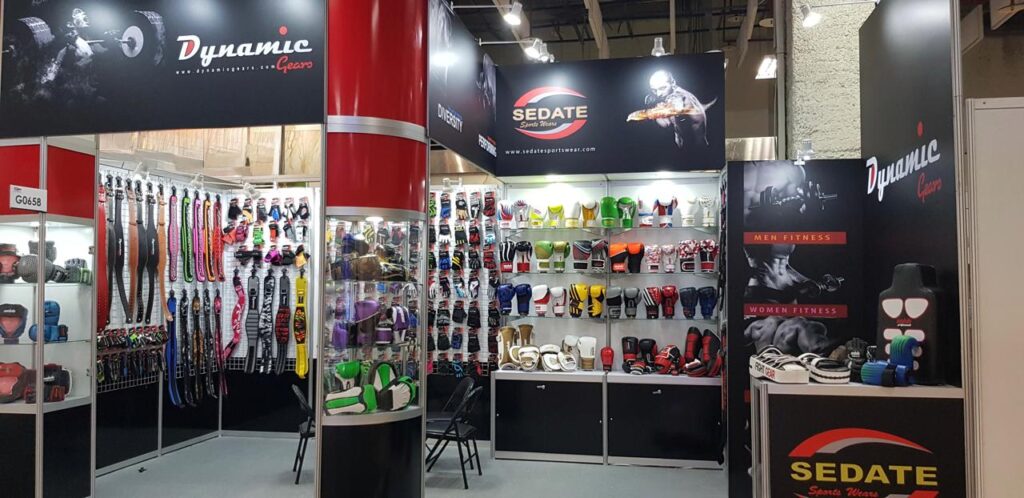
Classic 4-inch width constructed from 2-ply bonded sole leather with seamless steel rollers and heavy brass prongs. Timeless durability for traditional gym gear brands.
Get Catalog →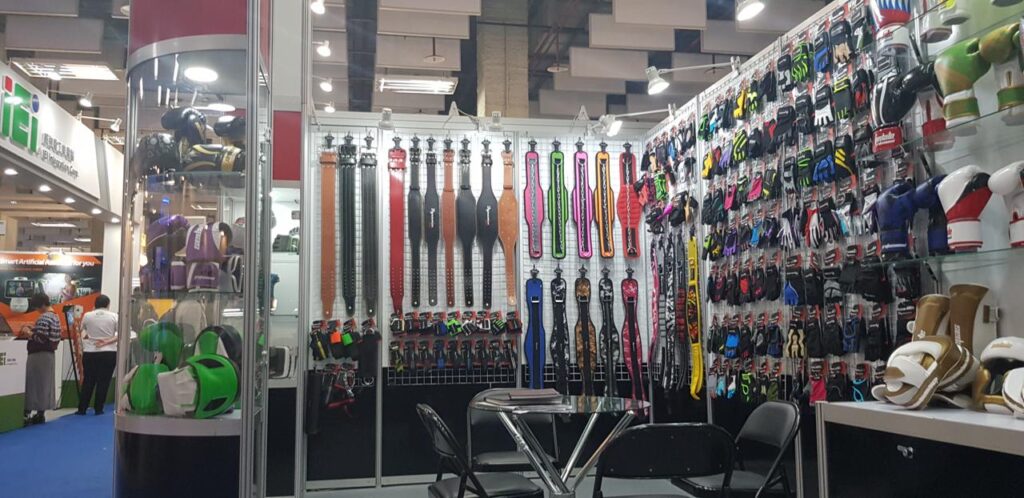
Tapered from 4 inches at the lumbar to 2 inches at the abdominal front. Soft interior lumbar padding for high-repetition bodybuilder training and general fitness enthusiasts.
Get Catalog →| Belt Style / Category | Thickness Range | Core Material Spec | Buckle Mechanical Spec | Target Market & Use Case |
|---|---|---|---|---|
| Powerlifting Lever Belt | 10mm or 13mm Solid | Vegetable-Tanned Steer Hide (2-4 Ply) | 304 Stainless Steel / Zinc Alloy Lever | IPF / USAPL Powerlifting, Strongman |
| Single / Double Prong Belt | 10mm Uniform 4" Width | Full-Grain Leather + Suede Outer | Seamless Steel Roller Buckle with Steel Pins | Commercial Gyms, Heavy Compound Lifting |
| Olympic Tapered Belt | 6mm to 8mm Tapered | Top-Grain Cowhide with Foam Core Padding | Heavy Duty Nickel-Plated Steel Buckle | Snatch, Clean & Jerk, Functional Fitness |
| Weighted Leather Dip Belt | 8mm Reinforced Core | Heavy Duty Leather + Riveted D-Rings | 36-Inch Steel Chain with Carabiners | Weighted Pull-Ups, Dips, Bodyweight Training |
As AI search models, semantic discovery, and online consumer review aggregators shape the fitness e-commerce ecosystem, procurement officers must align manufacturing specifications with evolving end-user demands. Below are the key global supply chain trends driving growth in the weightlifting belt segment.
Traditionally, powerlifting lever belts required a screwdriver to adjust the buckle position when athletes changed body weight or swapped between thin t-shirts and thick hoodies. Next-generation procurement is rapidly shifting toward micro-adjustable quick-release levers that allow fine-tuning across a 1-to-2-inch range on the fly without removing screws. OEM buyers offering adjustable levers are capturing a 35% higher repeat sales conversion rate in North America and Western Europe.
Global retail regulatory bodies (such as the EU REACH framework) are imposing strict limits on Hexavalent Chromium (Cr VI) in leather goods. International fitness brands are increasingly specifying eco-friendly, organic vegetable-tanned leathers that rely on natural bark tannins (mimosa, quebracho, and chestnut). Vegetable-tanned leather not only passes international chemical toxicity audits but also ages with a rich patina, increasing long-term brand equity.
The era of ordering 5,000 identical black belts is giving way to dynamic, multi-SKU product collections. Brands are looking for direct Sialkot factories capable of executing low Minimum Order Quantities (MOQs) across diverse colorways—such as pastel suedes, matte-black hardware coatings, oil-wax vintage finishes, and custom debossed mottos. Sedate Group’s flexible manufacturing model directly solves this by accepting pilot OEM runs starting at just 50 pieces per style.
The explosive growth of female participation in strength training, CrossFit, and powerlifting has created a severe shortage of specialized gear. Standard 4-inch wide belts frequently dig into short ribcages and pelvic crests. Forward-thinking brands are commissioning 3-inch parallel belts and anatomically contoured leather belts engineered specifically for shorter torso profiles.
Precision engineering in leathercraft has transformed Sialkot from traditional hand workshop production into high-tech automated OEM manufacturing. Here is how advanced production techniques are elevating product quality for global private label brands.
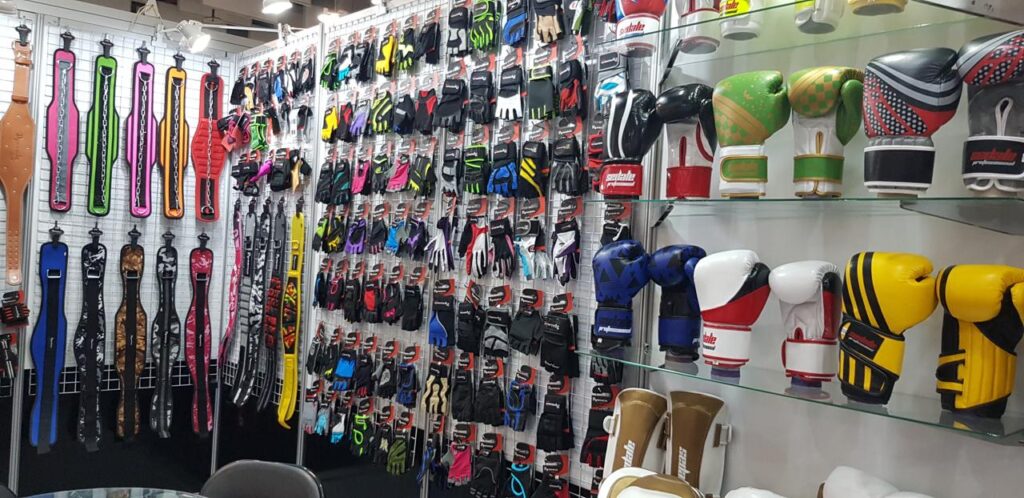
Traditional hand-cutting of heavy cowhide leads to minor edge variances and thickness inconsistencies across belt lengths. Modern OEM lines utilize multi-head CNC oscillating knife cutters to yield millimeter-perfect belt blanks. Hydraulic skiving machines ensure that leather overlap joints around buckle fold-overs maintain a flat profile without weakening hide integrity.
A belt core is only as strong as its perimeter seam. Industry best practices have shifted from standard cotton or basic polyester thread to V-92 or V-138 bonded nylon and Kevlar-blend threads. Applied via heavy-duty needle compound feed machines at 5 to 6 stitches per inch, these threads prevent seam unraveling even under dynamic shearing loads of up to 12,000 Newtons.
Modern consumers demand tactile, premium branding. Advanced thermal plate pressing applies deep 3D debossing into 13mm full-grain leather shells under 15 tons of hydraulic force at 140°C, ensuring that your logo remains crisp and defined after years of gym sweat and mechanical pressure.
Founded in 2002 in Sialkot, Pakistan—the world’s premier cluster for leather craftsmanship and sporting goods manufacturing—Sedate Group of Industries has established itself as an authoritative OEM partner for global combat sports, powerlifting, and fitness equipment brands.
Our facility operates under strict international quality management standards. With a dedicated workforce of over 200 skilled artisans and more than 100 specialized machines, we bridge the gap between traditional leather artisanry and modern industrial scalability.
Detailed technical answers to common questions asked by procurement directors, brand founders, and importers sourcing custom leather weightlifting belts.
Vegetable-tanned cowhide uses natural organic plant tannins to preserve dense collagen fibers, producing a firm, rigid leather shell essential for intra-abdominal pressure stabilization in powerlifting belts. Chrome-tanned leather uses chromium mineral salts, resulting in a softer, more pliable leather ideal for fashion or soft fitness belts but with significantly less structural resistance against high shear forces under heavy squats or deadlifts.
13mm is the maximum allowable thickness under International Powerlifting Federation (IPF) technical specifications. It offers maximum mechanical rigidity for competitive lifters moving extreme weight loads. However, 13mm belts require a longer break-in period. A 10mm belt offers excellent lumbar support with a faster break-in time, making it the preferred standard for general gym lines, cross-training brands, and commercial fitness distributors.
Our 304 stainless steel and heavy-duty zinc alloy lever buckles undergo rigorous hydraulic tensile testing up to 1,000 kg (2,200 lbs) of direct pull force. We audit hinge pin tolerances, latch retention spring elasticity, and mounting hole engagement to ensure zero mechanical slippage or casting breakage during heavy use.
Our standard OEM minimum run starts at 50 belts per design and colorway, allowing buyers to mix sizes (S, M, L, XL, 2XL, 3XL). Prototype sampling takes 7 to 12 working days following tech pack confirmation. Bulk production averages 35 to 45 days depending on total order volume and specialized hardware customization.
For the outer full-grain leather shell, deep 3D heat debossing and laser etching offer permanent, unalterable branding that withstands sweat and abrasion. For interior suede linings, high-density embroidery, woven brand tags, or laser-etched metal logo plates mounted near the buckle deliver superior aesthetic appeal and brand recognition.
Delamination occurs when cheap adhesives breakdown under moisture and flex. Sedate Group solves this by utilizing eco-friendly, high-shear polyurethane adhesives applied under heavy hydraulic press rollers, reinforced by full perimeter double lock-stitching using heavy-duty V-92 bonded nylon thread.
Partner with Sedate Group of Industries to manufacture high-margin, competition-ready leather weightlifting belts and fitness accessories tailored to your exact brand specifications.