
A Custom Rash Guards Factory is a specialized manufacturer that produces protective athletic tops based on a client’s design, measurements, and performance requirements. Unlike a standard apparel supplier, it manages the complete process, from fabric selection and digital printing to cutting, stitching, inspection, and packing. These factories commonly serve surfing, swimming, Brazilian jiu-jitsu, fishing, cycling, and outdoor training brands.
The work begins with practical details. A buyer may request recycled polyester fabric, flatlock seams, UPF protection, chlorine resistance, or a specific compression level. The factory then creates a sample for fitting and performance review. A careful team checks print alignment, sleeve symmetry, seam strength, and color consistency under production lighting. Small errors matter. One uneven seam can cause discomfort during repeated movement.
Experience is important because fabric behavior changes after printing and washing. Skilled technicians understand stretch recovery, shrinkage, and size grading across different body types. Reliable factories also provide clear specifications, production timelines, quality checkpoints, and transparent communication. Buyers should ask for material details, sample approval procedures, and inspection records before placing a large order.
The process is not flawless. Color differences may appear between samples and bulk production, especially across fabric batches. That risk deserves honest discussion. A dependable Custom Rash Guards Factory does not promise perfection without evidence. It explains limitations, documents corrective actions, and helps the buyer make realistic decisions. In this way, custom manufacturing becomes more than adding a logo; it becomes a controlled process for producing comfortable, durable, and purpose-built rash guards.
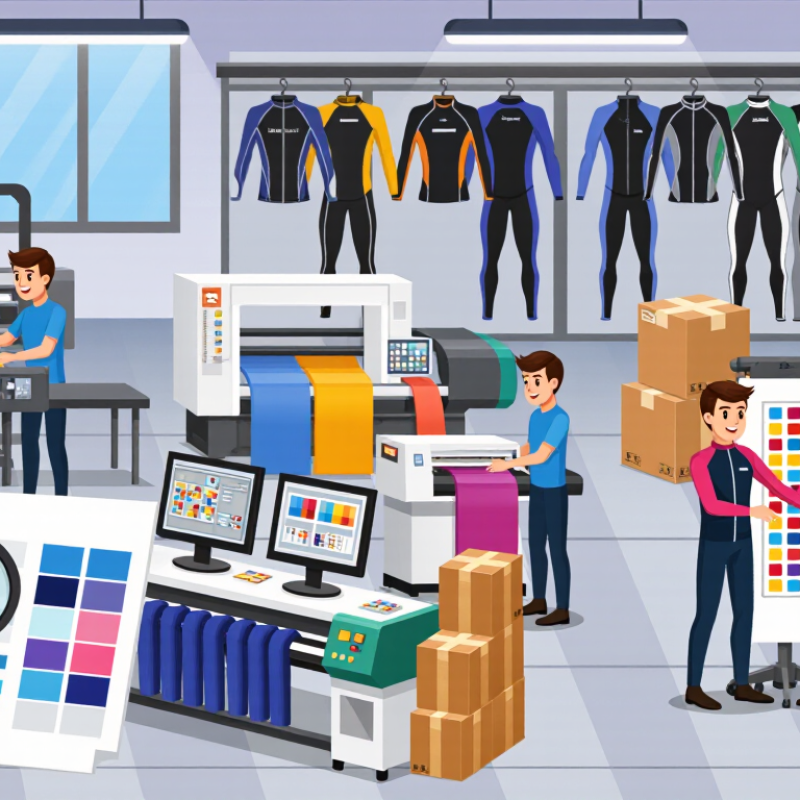
A custom rash guards factory is a specialized production facility that develops and manufactures fitted protective sports tops. Its core role is turning a customer’s technical idea into a wearable, repeatable product. This process includes fabric selection, pattern development, printing, sewing, and quality inspection. The factory also checks stretch recovery, seam strength, color stability, and skin comfort.
Professional factories work with materials such as polyester blends and elastane, chosen for flexibility, moisture control, and regular movement. A technical team may adjust the neckline, sleeve length, hem tension, and panel placement after testing a sample. Small details matter. A poorly positioned seam can rub during swimming or training. A loose cuff can reduce comfort and performance.
Reliable production depends on clear communication and documented checks. Measurements should be reviewed before bulk cutting, while fabric rolls need inspection for shade variation and surface flaws. Each production stage should follow agreed specifications and applicable safety requirements. No factory gets every detail right on the first attempt. A rushed approval can still create sizing problems later. Experienced teams therefore keep sample records, inspect finished pieces, and discuss practical improvements with buyers. Their value is not limited to sewing garments; they help control product consistency from the first sketch to final packing.
What Is a Custom Rash Guards Factory?
A custom rash guards factory turns an idea into tested sportswear. The design process usually begins with purpose, movement, and wearer comfort. A rash guard for surfing needs different planning from one used for grappling or outdoor training. Designers study body measurements, stretch direction, seam placement, and fabric recovery. They may choose polyester-spandex blends for flexibility, moisture control, and close fitting comfort. A detailed sketch then becomes a digital pattern, with artwork placed across panels instead of a flat shirt image.
Sampling reveals practical problems. Sleeves may twist during movement. A collar can feel too tight after several minutes. These details matter. The factory checks print clarity, color consistency, stitching strength, and fabric stretch. It also reviews the garment after washing and repeated use. A small adjustment to the side panel can improve mobility noticeably. Not every first sample works. That is normal, but ignoring feedback creates avoidable waste and disappointing results. Reliable development includes clear measurements, written approvals, and traceable production checks.
Tips: Share action photos or movement requirements before sampling. Confirm the size chart carefully. Ask for a fabric sample first. Test the finished rash guard during realistic activity, not only while standing. Keep artwork files organized, and inspect seams around the underarms and shoulders. These areas often experience the most tension. Good development is rarely dramatic. It is careful, measurable, and sometimes slower than expected.
During custom rash guard development, fabric selection and prototype testing commonly include ultraviolet protection evaluation. This chart shows the minimum UPF values associated with the widely used textile protection categories. The 50+ category is plotted as 50 for visual comparison.
Reference: UPF protection categories commonly defined by AS/NZS 4399 textile sun-protection testing.
What Is a Custom Rash Guards Factory?
A custom rash guards factory develops, produces, and checks fitted protective shirts for water sports, training, and outdoor use. Its work begins with fabric selection, not artwork. A common blend combines polyester and spandex. Polyester supports color retention and quick drying. Spandex adds stretch for paddling, swimming, and repeated movement. Fabric weight also matters. A lighter fabric feels cooler, while a heavier fabric may offer more coverage. No material is perfect. Salt, chlorine, sunscreen, and frequent washing can slowly affect performance.
Printing methods depend on the design and order size. Dye sublimation is widely used for all-over graphics because the ink becomes part of the polyester fibers. This helps reduce surface cracking and keeps the fabric flexible. Screen printing can suit simpler designs, but thick ink may reduce stretch. Heat transfer works for names, numbers, or small details, although poor temperature control can damage elastic fibers. A factory should test color, stretch, wash resistance, and print placement before full production.
The manufacturing process usually includes pattern making, fabric inspection, cutting, printing, sewing, and final quality checks. Flatlock seams can reduce rubbing against the skin. Operators must control seam tension around the shoulders, neck, and underarms. One small error can cause twisting during movement. Sample fitting is valuable, but it is not always enough. Real wear testing may reveal heat buildup, loose thread ends, or sleeves that ride upward. Reliable factories record these issues and adjust the pattern or process before repeating the order.
| Category | Common Option | Typical Technical Details | Advantages | Manufacturing Considerations |
|---|---|---|---|---|
| Primary Fabric | Polyester-spandex blend | Common compositions include approximately 80–90% polyester and 10–20% elastane; fabric weight is often about 160–220 g/m². | Good stretch, shape recovery, moisture management, and resistance to chlorine and saltwater when properly finished. | The fabric must be tested for four-way stretch, colorfastness, shrinkage, and recovery before cutting. |
| Polyester Content | Recycled polyester | Usually made from recycled polyethylene terephthalate fibers; performance depends on yarn quality and finishing. | Can reduce reliance on virgin polyester and provides similar moisture-wicking performance. | Supply-chain documentation and fiber-content verification may be required for environmental claims. |
| Stretch Fiber | Elastane or spandex | Often incorporated at 10–20% of the fabric composition to provide body-hugging comfort and movement. | Improves flexibility and helps the garment return to its original shape. | Excessive heat, chlorine, and ultraviolet exposure can accelerate elastane degradation. |
| Fabric Construction | Knitted tricot or warp-knit fabric | Smooth surface, controlled stretch, and relatively stable dimensions are commonly selected for rash guards. | Supports close-fitting silhouettes and produces a clean printed surface. | The knitting structure influences opacity, ventilation, stretch direction, and print registration. |
| Sun Protection | UPF-rated fabric | A UPF 50 garment transmits approximately 1/50, or 2%, of ultraviolet radiation under the applicable test conditions. | Provides substantially higher ultraviolet protection than ordinary lightweight clothing. | UPF performance can vary with color, stretch, wetness, fabric construction, and wear; finished garments should be tested. |
| Printing Method | Dye sublimation | Dye is transferred into polyester fibers using heat, commonly at roughly 180–210°C, depending on fabric and equipment. | Produces all-over graphics, smooth hand feel, detailed images, and good resistance to cracking or peeling. | Best suited to light-colored polyester; heat, pressure, and transfer time must be controlled to limit color variation. |
| Printing Method | Screen printing | Ink is pushed through a prepared mesh screen onto selected garment areas. | Suitable for bold graphics, simple artwork, and larger production runs. | Each color may require a separate screen; ink stretchability and curing conditions are important for activewear. |
| Printing Method | Direct-to-film transfer | Artwork is printed on a transfer film, coated with adhesive powder, and applied with a heat press. | Works well for small quantities, multicolor artwork, names, numbers, and detailed graphics. | Transfer temperature, pressure, dwell time, and stretch compatibility must be validated to prevent lifting or cracking. |
| Pattern Development | Digital pattern making | A digital pattern is created from measurements and adjusted for stretch, ease, seam placement, and grading. | Improves repeatability across sizes and helps place artwork accurately before production. | The pattern must account for negative ease because rash guards are normally designed to fit close to the body. |
| Size Grading | Multi-size grading | The base pattern is systematically enlarged or reduced to create a size range. | Provides consistent proportions for different body measurements. | Chest, waist, sleeve length, body length, and armhole measurements should be checked on physical samples. |
| Cutting | Computer-controlled fabric cutting | Printed fabric panels are cut according to approved patterns, with alignment marks and seam allowances. | Improves dimensional accuracy and reduces material waste compared with inconsistent manual cutting. | Artwork matching is essential for stripes, gradients, repeated motifs, and center-front graphics. |
| Seam Construction | Overlock and flatlock seams | Overlock machines join and finish edges; flatlock seams reduce bulk and surface irritation. | Supports seam stretch, comfort, and durability during sports or water activities. | Thread tension, stitch density, seam allowance, and stretch testing must be controlled. |
| Neckline and Cuffs | Bound or coverstitched edges | Elastic bindings or coverstitched finishes are used to stabilize openings while preserving flexibility. | Helps prevent stretching, curling, and discomfort around the neck and wrists. | Opening dimensions must be checked against the garment’s stretch percentage and intended fit. |
| Quality Control | In-line and final inspection | Checks commonly include measurements, stitching, print placement, color consistency, defects, labels, and packaging. | Reduces shipment errors and helps confirm compliance with approved samples. | Inspection criteria should be agreed before bulk production, including acceptable measurement tolerances. |
| Performance Testing | Stretch, wash, and colorfastness testing | Tests may evaluate dimensional stability, color transfer, rubbing resistance, perspiration resistance, and repeated laundering. | Identifies failures before products reach users. | Testing methods and acceptance limits should reflect the intended market, use conditions, and applicable regulations. |
| Typical Production Flow | Design to shipment | Specification review → artwork preparation → sampling → approval → fabric printing → cutting → sewing → inspection → packing. | Creates a controlled sequence from concept development to finished garments. | Changes after sample approval can affect material usage, production scheduling, and final cost. |
A custom rash guards factory turns artwork, measurements, and fabric choices into tested sportswear. Quality control begins before cutting. Technicians check fabric weight, stretch recovery, color consistency, and surface defects under bright inspection lights. A fabric swatch is tested for chlorine, saltwater, sweat, and repeated washing. These tests reveal fading, fiber damage, or loose seams before bulk production starts. Production staff also compare the approved sample with digital specifications. They measure chest width, sleeve length, collar height, and seam allowance. Small differences matter. A rash guard that fits tightly can restrict movement when the fabric recovers poorly.
During sewing, inspectors examine seam density and thread tension at scheduled checkpoints. They pull selected seams by hand, then use measured force when results need documentation. Heat-transfer graphics receive adhesion tests, while printed panels are checked after stretching. Finished garments undergo visual inspection, size measurement, and a final wash test. Records should identify the operator, machine, fabric batch, and inspection date. That traceability supports corrective action instead of guesswork. Factory experience helps, but it can also create blind spots. One passed sample never proves every garment is perfect. Random sampling may miss a defect hidden in a full production roll. For that reason, responsible factories review failed tests, adjust processes, and communicate limitations clearly. Reliable testing is not about impressive paperwork. It is about consistent performance during real water activities and repeated movement.
A custom rash guards factory turns artwork, measurements, and performance needs into finished protective apparel. Demand is expanding. Grand View Research valued the global swimwear market at about USD 20.5 billion in 2023, with continued growth expected through 2030. This supports careful supplier selection, not rushed ordering.
Ordering usually starts with a technical pack. It should show logos, color references, size charts, stitching, fabric weight, and delivery targets. Most factories then confirm minimum order quantities and prepare a digital mock-up. A physical sample is safer. It reveals sleeve tension, collar comfort, print sharpness, and transparency when wet. Customization may include nylon-spandex fabric, recycled polyester, flatlock seams, UPF-rated materials, sublimation printing, silicone hems, and individual packaging. However, UPF claims require testing. A supplier should provide recent laboratory evidence, not only a sales promise.
Tips: Request a pre-production sample and approve it in writing. Ask about fabric composition, shrinkage, colorfastness, inspection standards, and replacement terms. Delivery normally includes sampling, production, inspection, and freight. A realistic schedule may take four to ten weeks after artwork approval, depending on quantity and transport. Rush production can increase defects. I have found that the cheapest quote often hides unclear sampling or shipping costs. Even experienced buyers miss this detail. Keep a written timeline, and leave buffer days for corrections. Industry research from Grand View Research also indicates strong swimwear demand, but market growth does not guarantee every factory reliable capacity.
Polyester and spandex are common choices. Polyester dries quickly and holds color well. Spandex provides stretch during swimming and paddling. No fabric performs perfectly.
Lightweight fabric feels cooler during active movement. Heavier fabric may provide more coverage. The better choice depends on climate, sport, and personal comfort.
Dye sublimation works well for all-over graphics. Ink enters the polyester fibers, helping preserve flexibility. Colors can still fade after heavy chlorine exposure.
Screen printing suits simpler designs. Thick ink may reduce stretch. Heat transfer works for names, numbers, and small details. Poor heat control can harm elastic fibers.
Production usually includes pattern making, fabric inspection, cutting, printing, sewing, and final checks. Small errors can cause twisting during movement.
Flatlock seams can reduce skin rubbing. Seam tension needs careful control around the shoulders, neck, and underarms. Comfort may still vary between wearers.
Factories should test color, stretch recovery, wash resistance, and print placement. Fabric may also face chlorine, saltwater, sweat, and repeated washing tests.
Inspectors review seam density and thread tension at scheduled checkpoints. Finished garments receive visual checks and size measurements. Selected seams may be pulled with measured force.
No. One sample cannot represent an entire production roll. Random checks may miss hidden defects. Real wear testing can reveal heat buildup or rising sleeves.
Records can identify the operator, machine, fabric batch, and inspection date. This supports corrective action. Paperwork alone proves little without consistent results.
A Custom Rash Guards Factory is a specialized production facility that turns sportswear concepts into functional, personalized rash guards for activities such as surfing, swimming, diving, and other outdoor training. Its core role includes supporting clients from the initial design stage through sample development, material selection, printing, sewing, and final delivery. Designers can adjust colors, patterns, logos, sizing, collar shapes, sleeve lengths, and protective features to meet specific performance and style requirements.
During production, the factory may use fabrics such as polyester or nylon blends with stretch, quick-drying, breathable, and sun-protective properties. Techniques including sublimation printing, heat transfer, and direct fabric printing help create durable and detailed designs. Careful cutting, stitching, and panel assembly ensure comfort and a reliable fit. Quality control typically covers fabric inspection, color accuracy, seam strength, size measurements, print durability, and product testing. Customers generally confirm specifications, approve samples, select quantities, and arrange packaging and delivery schedules before mass production begins.