
+92 323 3811100 [email protected] Sialkot, Pakistan
0%

Custom BJJ Gis Wholesale connects academies, teams, retailers, and manufacturers through larger, coordinated orders. Instead of buying ready-made uniforms individually, a buyer selects fabric weight, weave, color, embroidery, labels, and size ratios. The manufacturer then confirms specifications, prepares a sample, calculates production costs, and schedules bulk manufacturing. Simple in theory. Details matter more.

BJJ apparel consultant and academy owner Chris Clodfelter explains, “A dependable gi program begins with accurate specifications, not attractive artwork.” This principle reflects real purchasing experience. A small collar measurement can affect comfort during drilling. A poorly placed logo may crack after repeated washing. Wholesale buyers should request fabric samples, stitching photographs, size charts, and a written production timeline. They should also confirm whether the quoted price includes packaging, sampling, embroidery, and shipping.

Custom BJJ Gis Wholesale usually works through several practical stages. The buyer shares a design brief and expected quantity. The supplier checks material availability and production limits. A prototype follows. Revisions may be necessary. Sometimes, the first sample looks excellent but feels too stiff on the shoulders. That is not failure. It is useful feedback.

Reliable suppliers explain minimum order quantities, payment milestones, inspection procedures, and replacement policies before accepting the order. They also communicate clearly when delays occur. Buyers should avoid choosing only by the lowest price. A cheaper gi can create higher return costs, inconsistent sizing, and disappointed athletes. This guide examines how wholesale customization works, what buyers should verify, and where mistakes commonly appear. The process is efficient, but never automatic.
What Is Custom BJJ Gis Wholesale and How Does It Work?

Definition and Scope of Custom BJJ Gi Wholesale

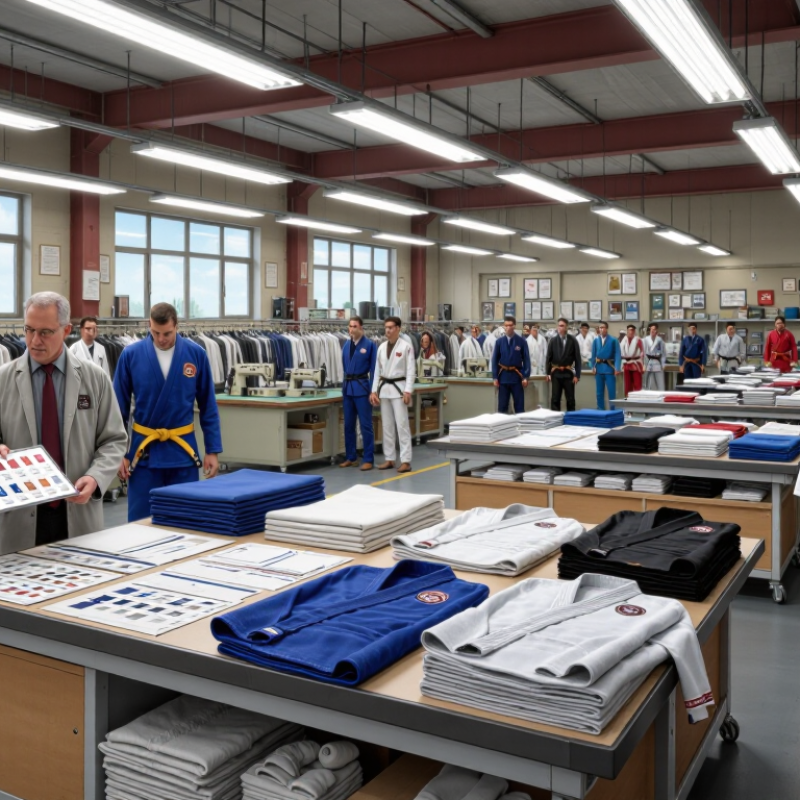
Custom BJJ gi wholesale means ordering martial arts uniforms in larger quantities with designs, measurements, and materials chosen for a specific buyer. The buyer may be a training academy, competition team, retailer, or event organizer. Unlike standard wholesale, this service involves more than selecting sizes from a fixed catalog. It can include fabric weight, stitching, collar structure, color panels, embroidery, woven patches, and packaging.

The scope usually begins with a design brief and size plan. A reliable supplier should confirm cotton type, shrinkage, GSM, seam strength, and labeling requirements before production. A physical sample is valuable. It reveals sleeve length, trouser movement, and patch placement more clearly than a digital drawing. Small details matter. A poorly placed patch may affect comfort or appearance during training.

After sample approval, the supplier calculates production costs, minimum order quantities, lead times, and inspection steps. Wholesale pricing often improves with volume, but customization can add setup and sampling charges. The process is not always smooth. Color matching may vary between fabric batches, and a perfect screen design may look different when stitched. Buyers should keep written specifications and inspect finished units before distribution. In my experience, clear communication prevents more problems than aggressive price negotiation. Mistakes still happen. The important question is whether both sides record them, correct them, and improve the next order.

Key Features of Wholesale Custom BJJ Gis

Custom BJJ gis wholesale means ordering several made-to-order uniforms from a manufacturer at a reduced unit price. The process usually begins with artwork, fabric selection, sizing, and quantity planning. Customers can request specific colors, embroidery, patches, and personalized team details. A digital sample normally follows. However, screen colors may differ slightly from the finished fabric.

Key features matter more than decoration. A reliable wholesale gi should use durable cotton or a cotton blend, reinforced stitching, and comfortable seams. The jacket needs a balanced fit that supports movement without feeling loose. Trousers should include strong drawstrings and reinforced knee panels. Shrinkage testing is also important, especially after repeated washing. Consistent sizing helps teams avoid expensive replacements. Still, no production run is perfect. Small differences in stitching or color can appear, so inspection remains necessary.

Tips: Request a physical sample before bulk production. Check fabric weight, seam strength, and measurements carefully. Confirm the minimum order quantity, production schedule, packaging, and replacement policy in writing. Leave extra time for corrections. A rushed design may look impressive online but feel uncomfortable during training. Clear communication, documented approvals, and final quality checks make wholesale custom BJJ gis more dependable.

What Is Custom BJJ Gis Wholesale and How Does It Work? - Key Features of Wholesale Custom BJJ Gis

Data Dimension Typical Wholesale Specification How It Works Buyer Consideration
Wholesale Order Quantity Commonly 20–100+ sets per design or colorway The buyer places a bulk order so the manufacturer can spread setup and production costs across multiple units. Minimum order quantities vary by fabric, artwork complexity, color, and production method.
Jacket Fabric Pearl weave, gold weave, or lightweight cotton; approximately 350–550 GSM is common Fabric weight and weave are selected before cutting and sewing to balance durability, comfort, and garment weight. Heavier fabrics can provide greater durability but may feel warmer and require more shipping capacity.
Pants Construction Cotton twill or ripstop fabric, usually reinforced at high-stress areas The pattern is cut according to the approved size chart, then seams and reinforcement panels are assembled. Request test samples to check shrinkage, stitching strength, waistband fit, and freedom of movement.
Customization Options Color, embroidery, woven patches, printed labels, seam tape, size labels, and packaging Artwork files and specifications are reviewed, digitized when needed, sampled, and approved before mass production. Design placement should be checked for competition rules, durability, comfort, and colorfastness.
Size Range Adult sizes often range from A0–A5; youth sizing may be offered separately The buyer submits a size breakdown, and production quantities are allocated according to the approved measurement chart. Size labels are not fully standardized; compare garment measurements rather than relying only on size codes.
Sampling Stage One or more pre-production samples are commonly prepared The sample is reviewed for dimensions, fabric, color, artwork, stitching, and packaging before approval. Written approval and a retained reference sample help reduce disputes during bulk production.
Production Lead Time Approximately 30–60 days after sample and order approval is a common planning range The timeline includes material preparation, cutting, sewing, decoration, inspection, and packing. Seasonal demand, custom dyeing, complex embroidery, and order volume can extend the schedule.
Shrinkage Control Pre-shrunk or treated cotton may be available; actual shrinkage depends on fabric and finishing The manufacturer tests or specifies washing and drying procedures before finalizing measurements. Ask for wash-test results and care instructions because cotton garments can change size after washing.
Quality Inspection Inspection typically covers measurements, seams, fabric defects, color, decoration, and packing Checks may occur during production and before shipment against agreed specifications and acceptable defect limits. Define inspection criteria, tolerance ranges, and remedies for defects in the purchase agreement.
Wholesale Pricing Factors Unit cost is influenced by quantity, fabric GSM, decoration, packaging, shipping terms, and currency A quotation is calculated after the specification, quantity, artwork, delivery location, and trade terms are confirmed. Compare total landed cost rather than product price alone, including freight, duties, sampling, and packaging.
Packaging Individual bags, size stickers, carton packing, and optional custom inserts Packaging instructions are confirmed before packing, including folding method, labeling, and carton quantities. Packaging affects presentation, warehouse handling, product protection, and shipping volume.
Shipping and Delivery Air freight is faster; sea freight is generally more economical for larger shipments Finished cartons are shipped according to the agreed delivery term and destination requirements. Confirm carton dimensions, gross weight, shipping documents, customs responsibility, and delivery buffer time.

Note: Specifications and timelines are typical planning ranges for custom wholesale BJJ gi production. Final values depend on the approved product specification, order quantity, production capacity, and destination.

How the Custom Design and Ordering Process Works

Custom BJJ gis wholesale begins with a design brief, not a discount list. A buyer chooses the jacket fabric, trouser weave, collar thickness, colors, embroidery zones, and size range. According to the SFIA 2024 Topline Participation Report, about 6 million Americans participated in martial arts during 2023. That scale makes consistent sizing and repeatable production important for academies and distributors.

The ordering process usually starts with artwork files and a technical specification sheet. A supplier then prepares a digital mock-up or physical sample. The sample should be tested during drilling, rolling, and repeated washing. Check sleeve length, shrinkage, seam tension, and patch placement. Small defects become expensive across a large order. The first sample may still feel wrong. That is normal.

After approval, the buyer confirms minimum order quantity, unit price, delivery terms, packaging, and payment milestones. Industry purchasing data also supports careful sampling: the National Retail Federation reported that U.S. retailers faced a 14.5% merchandise return rate in 2023. A clear size chart can reduce avoidable exchanges. Buyers should request fabric weight, fiber content, colorfastness, and wash-care instructions in writing. Cotton-rich materials may feel comfortable, but they can shrink without proper pre-treatment. Production then follows the approved sample, although final measurements may vary slightly between batches. A third-party inspection before shipment can check carton counts, stitching, labels, and random sizes. That extra step costs time, but skipping it can cost more.

What Is Custom BJJ Gis Wholesale and How Does It Work?

The chart shows a typical custom BJJ gi ordering workflow and the estimated business days required for each stage. Actual timing depends on artwork complexity, sample revisions, order quantity, production capacity, and shipping method.

Wholesale buyers usually confirm specifications and artwork first, approve a sample before bulk production, and then arrange delivery after manufacturing is completed.

Pricing, Minimum Orders, and Production Considerations

What Is Custom BJJ Gis Wholesale and How Does It Work?

When a club or retailer orders custom BJJ gis wholesale, it commissions a factory to produce uniforms with chosen materials and artwork. Wholesale orders often include fabric weight, weave, colors, embroidery, patches, and size ranges. A supplier usually confirms the design through digital artwork and a physical sample. The buyer should inspect collar stiffness, sleeve length, stitching, and shrinkage before approving bulk production.

This process sounds simple.

Pricing depends on fabric quality, order volume, decoration methods, packaging, and shipping requirements.

A small order usually costs more per gi because setup expenses are spread across fewer units. Many factories set minimum orders between 30 and 100 pieces, though requirements vary. Ask whether the minimum applies per design, color, or size range. Also request a complete quotation, including sampling, revision fees, labels, and delivery costs.

A low unit price can hide important charges.

Production normally takes several weeks after sample approval.

Cotton may shrink, so pre-washing or shrinkage testing deserves attention. Embroidery needs secure stitching, while printed details require colorfastness testing. A reliable supplier should provide measurement charts and inspection photos before shipment. Keep extra time for corrections.

The first sample may look excellent but still fit poorly after washing.

That mistake is expensive, yet useful. Record every adjustment for the next production run, and avoid approving bulk goods from artwork alone.

Quality Control, Delivery, and Buyer Responsibilities

Custom BJJ gis wholesale works best when quality control begins before production. A buyer should provide a clear tech pack, fabric weight, size chart, stitching details, and artwork placement. For training gis, practical checks include fabric GSM, shrinkage after washing, seam strength, colorfastness, and reinforced knee panels. ISO 2859-1 offers a recognized sampling method through Acceptable Quality Limits, but sampling cannot replace clear specifications. The 2024 Fashion Transparency Index also found that only 52% of assessed fashion companies disclosed supplier-related information. That gap shows why buyers should request factory records, test results, and production photos.

Delivery depends on more than the promised ship date. Buyers must confirm the Incoterm, carton dimensions, packing method, inspection window, and customs documents. DHL’s 2024 E-Commerce Trends Report reported that 81% of shoppers expect free delivery, revealing how strongly delivery costs influence purchasing decisions. Wholesale buyers face different economics, yet hidden freight charges can still damage margins. A workable process includes a pre-production sample, a mid-production update, and a final inspection before balance payment. I have seen buyers focus heavily on price and overlook carton moisture protection. That mistake is easy to regret.

Tips:

  • Keep one approved sample.
  • Measure random pieces from every size.
  • Record defects with photos.
  • Allow time for rework.
  • A perfect first order is not guaranteed; even experienced buyers should review what went wrong and improve the next specification.

FAQS

What does custom BJJ gi wholesale include?

It means ordering uniforms in bulk with chosen fabrics, colors, measurements, and team details. Options may include embroidery, woven patches, stitching, collars, and packaging. It is more flexible than choosing from a fixed catalog.

Who usually orders custom BJJ gis wholesale?

Training academies, competition teams, retailers, and event organizers often place these orders. A team may need matching jackets, trousers, and size labels. Larger quantities usually reduce the unit price.

What information should buyers provide before production?

Prepare artwork, fabric preferences, colors, size ranges, quantities, and labeling instructions. Include fabric weight, fiber content, shrinkage limits, and seam requirements. Written details prevent costly misunderstandings.

Why is a physical sample important?

A physical sample shows sleeve length, collar comfort, trouser movement, and patch placement. Digital artwork can hide practical problems. Test the sample during drilling, rolling, and washing. The first sample may still feel wrong.

Which construction details matter most?

Look for durable cotton or a suitable cotton blend. Check reinforced stitching, comfortable seams, strong drawstrings, and reinforced knee panels. A balanced jacket should support movement without feeling loose.

How can buyers control sizing problems?

Request a detailed size chart and measure sample garments carefully. Check sleeve length, trouser length, chest width, and shrinkage after washing. Consistent sizing reduces exchanges and replacement costs. Small differences still happen.

What costs should a wholesale buyer expect?

Volume can lower the unit price, but customization may create setup and sampling charges. Confirm minimum order quantities, payment milestones, packaging, and delivery terms. Cheap pricing alone does not guarantee good value.

How should finished gis be inspected?

Inspect random sizes, carton counts, labels, stitching, colors, and patch positions before distribution. A third-party inspection may provide another useful check. It adds time. Skipping it can cost more later.

What problems can occur during production?

Fabric batches may show slight color differences, and stitched artwork may differ from screen designs. Measurements can vary between production batches. Keep approved samples and written specifications. Mistakes remain possible, even with careful planning.

Conclusion

Custom BJJ Gis Wholesale refers to the bulk purchasing of Brazilian Jiu-Jitsu uniforms produced according to a buyer’s specifications. Unlike standard ready-made gis, wholesale custom options may include selected fabric weights, colors, weaves, embroidery, patches, sizing, and packaging. This approach is suitable for academies, retailers, event organizers, and groups seeking consistent apparel with a unified look and reliable supply.

The process usually begins with design instructions, measurements, artwork files, and a sample or digital confirmation. Buyers should review pricing, minimum order quantities, customization fees, production timelines, and shipping arrangements before approving the order. Manufacturers then create samples, confirm materials and sizing, and begin mass production after approval. Quality control should cover stitching, fabric consistency, artwork placement, shrinkage, and finished measurements. Delivery schedules depend on order volume and customization complexity, while buyers are responsible for providing accurate information, checking samples carefully, meeting payment deadlines, and communicating promptly about revisions or concerns.

Ethan

Ethan

Ethan is a professional marketing specialist with a strong understanding of the company’s products, customer needs, and evolving market trends. Through years of experience in market research, content strategy, and business communication, he helps transform complex product information into clear,......