
Why Choose Leather Weightlifting Belts for Strength Training?
Strength training demands more than heavier plates. It requires control, bracing, and equipment that responds reliably under pressure. Leather Weightlifting Belts remain popular because their firm structure supports consistent abdominal bracing during squats, deadlifts, and heavy presses. The thick hide feels rigid around the waist. That firmness can provide useful feedback when the lifter expands the abdomen before a difficult repetition.
Dr. Stuart McGill, a respected spine biomechanics researcher, has stated, “A belt is not a substitute for good lifting technique.” His point deserves attention. A belt may support bracing, but it cannot correct poor movement, weak positioning, or excessive loading. Experienced coaches usually treat it as a training aid, not protective armor. That distinction improves reliability and encourages responsible progression.
Leather also offers practical durability. Quality stitching, reinforced holes, and a stable buckle can withstand repeated sessions better than many softer materials. Still, the choice is not perfect. A belt that is too stiff may restrict comfortable movement. One that fits poorly can pinch the ribs or slide during a set. Small details matter. Check the edges, buckle, and stitching before training. Adjust the belt so it feels secure, not painfully tight.
For many lifters, Leather Weightlifting Belts create a familiar training routine. The belt is tightened, the feet settle, and the breath becomes deliberate. That moment can improve focus. Yet personal comfort remains important. Strength is built through sound technique, gradual loading, recovery, and honest self-assessment. The belt helps. It does not do the work.
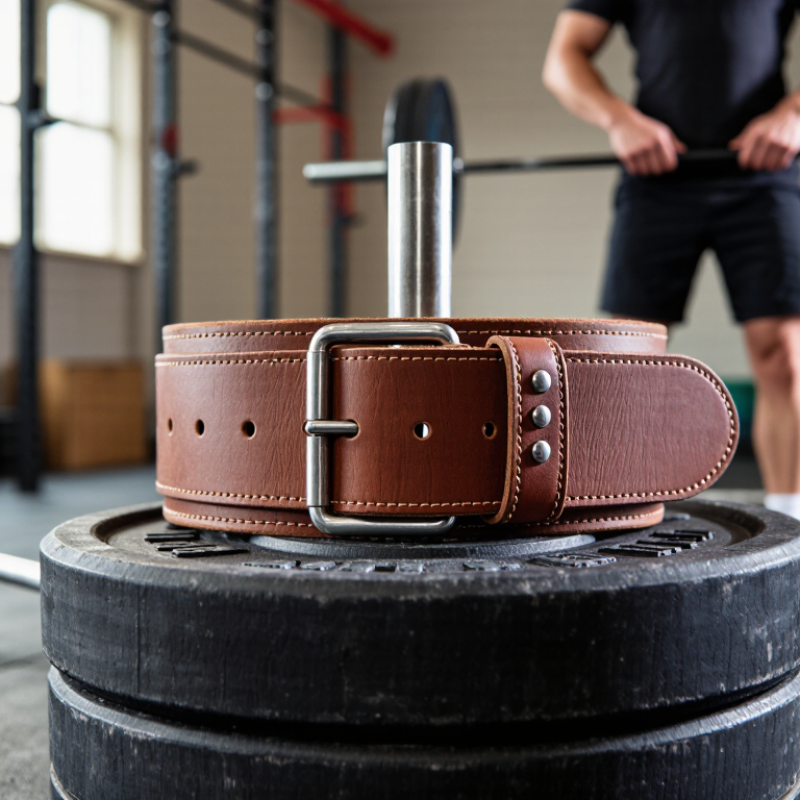
A leather weightlifting belt is a firm support worn around the waist during heavy strength exercises. It usually has thick leather, a secure buckle, and a stable width that resists bending. Unlike a soft fabric belt, leather keeps its shape when pressure rises. That structure matters during squats, deadlifts, and overhead presses. The belt does not lift the weight for you. It gives your trunk a stronger boundary to brace against.
When you inhale and tighten your abdominal muscles, pressure builds inside your torso. The belt provides feedback and resistance around the midsection. This can help you maintain a more consistent brace while your spine and hips transfer force. In practical use, I place the belt above the hip bones and tighten it firmly, not painfully. I can still breathe and expand my abdomen. If the buckle digs into my ribs, the position is wrong. A belt that is too loose becomes decoration.
Leather belts often feel stiff at first. They may need several sessions before the edges soften against the body. Fit is highly personal, and a thicker belt is not automatically better. Beginners sometimes rely on the belt too early and neglect breathing, bracing, and controlled technique. I have made that mistake myself. It felt secure, but my movement became less natural. A belt should support sound lifting habits, not replace them. Check the stitching, buckle, and leather condition regularly. Damaged equipment deserves caution.
Why Choose Leather Weightlifting Belts for Strength Training?
A leather weightlifting belt can provide firm, consistent support during heavy squats, deadlifts, and presses. Its rigid structure gives the abdomen something to brace against. This contact may help lifters create stronger intra-abdominal pressure and maintain a steadier torso. It does not replace proper breathing or technique. That distinction matters.
During a heavy lift, tighten the belt while keeping your ribs stacked over your pelvis. In practical coaching settings, lifters often report a clearer bracing sensation when the belt fits securely around the waist. Leather usually feels stable because it bends less than softer materials. However, that firmness can restrict movement or feel uncomfortable during warm-ups. A tighter belt is not automatically better. Poor adjustment may encourage shallow breathing and excessive leaning.
Tips: Place the belt around your midsection, not directly over the lowest ribs. Leave enough room to inhale and brace fully. Test the fit with several bodyweight squats first. Keep early sets lighter while learning the pressure. Stop if you feel numbness, sharp pain, or unusual breathing difficulty.
A dependable belt should support your lifting strategy, not hide weak positioning. It may improve confidence, but confidence can become misleading. Even experienced lifters sometimes rely on the belt too much and neglect trunk control. Use it for demanding sets when appropriate, while continuing to practice unassisted bracing. A qualified strength coach can check your setup and help identify problems that equipment cannot solve.
Maximum belt dimensions permitted by major strength-sport rulebooks
A firm leather belt provides a stable surface against which the abdominal and back muscles can brace during heavy lifts. The chart compares maximum belt dimensions specified by the International Powerlifting Federation (IPF) and International Weightlifting Federation (IWF). A wider or thicker belt may offer more bracing contact, but these limits do not by themselves prove greater lifting performance or safety.
Source: IPF Technical Rules and Regulations; IWF Technical and Competition Rules.
Leather weightlifting belts remain popular because they provide firm, consistent support during heavy strength training. A well-fitted belt can remind lifters to brace their abdomen before squats, deadlifts, and presses. Its dense material resists rolling when the lifter moves slowly under load. That stable pressure may improve confidence, but it cannot replace sound technique or gradual programming. Real support matters. Leather also becomes more comfortable as it adapts to the wearer. However, stiff new leather can feel restrictive around the ribs. This is one detail I underestimated.
Tips: Measure your waist where the belt will sit, not where trousers rest. Keep the fit snug, while allowing steady breathing. Test it during warm-up sets before heavy attempts. Inspect the stitching, holes, and edges regularly. A belt that shifts during bracing needs adjustment. New lifters should practice bracing without a belt, too. That habit can expose weak control, which is useful, though uncomfortable.
Leather can offer long service when stored dry and kept away from excessive heat. Wipe away sweat after training, then let the belt air naturally. Avoid soaking it or applying unsuitable oils. A durable belt may cost more initially, but repeated use can make that investment practical. Still, not every lifter needs maximum stiffness. Some prefer moderate flexibility for front squats or varied sessions. The best choice depends on body shape, training goals, and personal comfort. Expect a short adjustment period.
Why Choose Leather Weightlifting Belts for Strength Training?
How to Choose the Right Leather Weightlifting Belt
Leather belts offer firm support and usually become more comfortable after repeated training. The right choice depends on your lifting style, body shape, and experience. Measure your waist where the belt will sit, not where your trousers fit. Leave enough adjustment for bracing, but avoid excessive slack. A belt should feel secure without restricting your breathing.
For squats and deadlifts, a uniform-width belt often provides consistent contact around the torso. The International Powerlifting Federation allows belts up to 10 centimetres wide and 13 millimetres thick. These limits offer a useful reference, not a universal requirement. Beginners may prefer 10-millimetre leather, while advanced lifters may choose thicker construction. It can feel rigid at first. That is normal.
Check the buckle, holes, edge finishing, and stitching carefully. A strong buckle matters when the load becomes demanding. Research published in the Journal of Strength and Conditioning Research found that belts can change trunk and leg muscle activity during squats. Earlier studies also reported altered lumbar loading and intra-abdominal pressure. These findings do not prove that belts prevent injuries. Technique still matters more. I would test the belt with warm-up sets before heavy attempts, because discomfort often appears under fatigue. Leather also stretches slightly, so recheck the fit after several weeks. A belt that looks impressive may still be wrong for your waist.
| Selection Dimension | Recommended Specification | Why It Matters | Best Use |
|---|---|---|---|
| Material | Full-grain or top-grain leather with consistent construction | Dense leather provides firm support and can become more flexible with regular use. | Heavy squats, deadlifts, presses, and general strength training |
| Belt Thickness | Approximately 10–13 mm for maximum rigidity; 6–10 mm for a more versatile feel | Thicker leather generally resists bending more effectively, while thinner leather is easier to move with. | 10–13 mm: heavy lifting; 6–10 mm: mixed strength and fitness sessions |
| Belt Width | A uniform 4-inch width is common; narrower profiles may suit shorter torsos. | A wider belt can distribute pressure over more of the trunk but may interfere with hip or rib movement. | Choose based on torso length, comfort, and the range of motion required. |
| Shape | Straight profile for consistent support; contoured profile for added comfort around the waist. | The shape affects how evenly the belt contacts the body during bracing. | Straight: maximum uniformity; contoured: comfort-focused training |
| Closure System | Single-prong buckle for simplicity; lever closure for fast, repeatable adjustment | The closure should remain secure while allowing the belt to be tightened and removed efficiently. | Single prong: adjustable everyday use; lever: consistent setup between heavy sets |
| Buckle and Rivets | Corrosion-resistant metal hardware with reinforced attachment points | The hardware transfers tension between the belt and the body, so secure attachment is essential. | Frequent training and high-load movements |
| Fit and Sizing | Measure around the area where the belt will sit, then use the manufacturer’s hole range rather than your clothing size. | A correct fit allows firm abdominal bracing without excessive pinching or slipping. | All training levels; fit should be checked in the lifting position. |
| Hole Spacing | Multiple evenly spaced holes, commonly about 1 inch apart | Closer spacing makes it easier to achieve a secure fit as body position or clothing changes. | Progressive training, seasonal changes, and different exercise setups |
| Break-In Period | Expect a firm feel initially; gradual use helps the leather conform to the user. | Leather is not fully flexible when new, particularly at greater thicknesses. | Users who prioritize long-term structure over immediate softness |
| Support Level | High structural support when the belt is correctly fitted and used with proper bracing. | A belt can provide an external surface against which the trunk can brace, but it does not replace technique. | Experienced lifters and technically supervised strength programs |
| Comfort Considerations | Smooth edges, even stitching, and a profile that does not dig into the ribs or hips | Comfort affects concentration, breathing, and willingness to use the belt consistently. | Long sessions and exercises requiring repeated bracing |
| Maintenance | Keep dry, wipe away sweat, store flat or supported, and use a leather conditioner only when appropriate. | Moisture, heat, and unsuitable chemicals can weaken or dry leather over time. | Regular users seeking extended service life |
| Exercise Compatibility | Best suited to loaded squats, deadlifts, overhead presses, and similar compound lifts. | Rigid belts may limit comfort during highly dynamic movements or exercises requiring substantial torso flexion. | Use selectively rather than continuously throughout every workout. |
Note: Specifications are general selection guidelines. Fit, lifting technique, training goals, and applicable competition rules should be considered before use.
A leather weightlifting belt can provide firm, consistent support during heavy squats and deadlifts. Its stiffness gives your abdomen something stable to brace against. However, the belt does not replace strong trunk control or sound lifting technique. I have found it most useful during challenging working sets, not every warm-up. Wearing one too early can make me rely on pressure instead of positioning.
Place the belt around your waist, usually above the hip bones and below the ribs. Keep it snug, but do not tighten it until breathing becomes restricted. Take a controlled breath into your abdomen, expand your sides, and brace before lifting. The belt should support this pressure, not create it for you. If you feel numbness, sharp discomfort, or unusual pressure, loosen it and stop the set. Fit varies with body shape, so copying another lifter’s position may not work.
Leather needs simple care. Wipe away sweat with a slightly damp cloth after training, then let it air-dry naturally. Avoid radiators, direct heat, and prolonged moisture. Check the buckle, holes, stitching, and edges regularly. Cracked leather or loose stitching deserves attention before heavy use. A small mistake here matters. Do not bend the belt sharply or store it under heavy equipment. I once left mine damp in a gym bag, and the odor lingered for days. Beginners should learn bracing with lighter loads and seek qualified coaching when technique feels uncertain.
It is a firm belt worn around the waist during demanding strength exercises. Thick leather resists bending and gives the abdomen a stable surface to brace against.
You inhale, tighten your abdominal muscles, and press outward against the belt. This can help create steadier torso pressure during heavy lifts.
No. It only supports bracing and body awareness. Your breathing, positioning, and controlled technique still do the work.
Lifters often use one for heavy squats, deadlifts, and overhead presses. It may be unnecessary during light warm-up sets.
It should feel firm but not painful. You should still breathe deeply and expand your abdomen without sharp pressure.
Place it around your midsection, usually above the hip bones. Avoid pressing it directly against the lowest ribs.
Try several bodyweight squats first. If the buckle digs into your ribs or breathing feels restricted, adjust the position.
Not necessarily. A thicker belt may feel stable, but it can also restrict movement. Personal fit matters more than maximum thickness.
Beginners should first practice breathing, bracing, and controlled movement without depending on equipment. I once relied on a belt too early, and my movement became less natural.
Check the stitching, buckle, and leather before demanding sessions. Damaged equipment deserves caution. I sometimes notice small problems late, so regular checks are worth the effort.
Leather Weightlifting Belts are designed to provide firm support around the abdomen and lower back during demanding strength-training movements. Their sturdy leather construction helps create a stable surface against which the core can brace, allowing lifters to maintain better posture and control during squats, deadlifts, presses, and similar exercises. Unlike soft, flexible belts, leather models typically offer consistent support and durability, making them suitable for athletes who value a secure, long-lasting training tool.
Choosing the right belt involves considering width, thickness, fastening style, fit, and personal training goals. It should feel snug without restricting breathing or movement. To use it safely, position it around the torso so it supports the core without pressing painfully on the ribs or hips, and tighten it only when additional stability is needed. Regularly inspect the leather, buckle, and stitching, keep the belt clean and dry, and store it properly to preserve its shape and performance.