Precision-engineered apparel and fight wear produced under strict ISO-certified quality protocols for European importers.
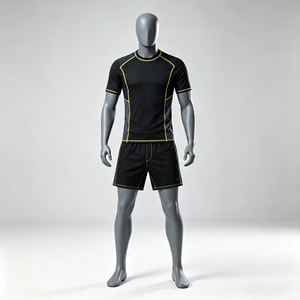
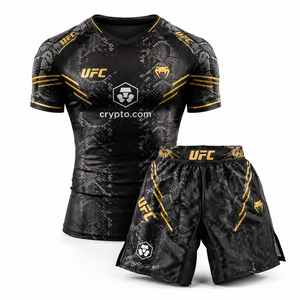
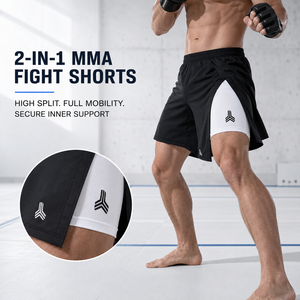
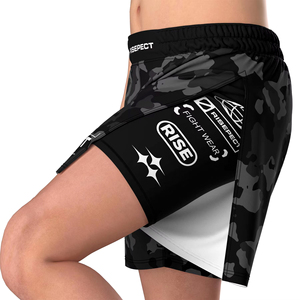
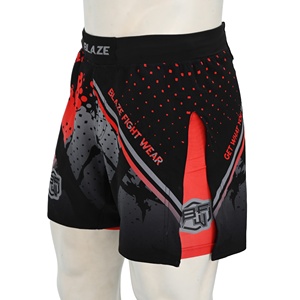
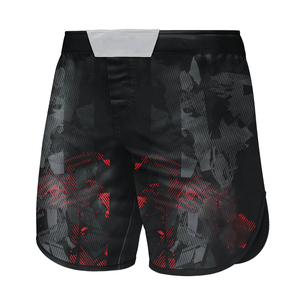
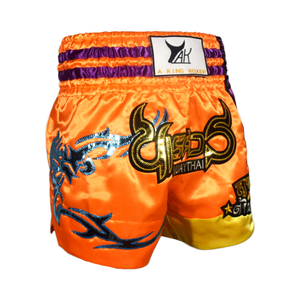
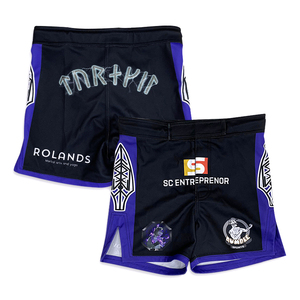
The German martial arts landscape represents one of Europe's most structured, quality-obsessed, and highly regulated sports markets. Led by the Deutscher Judo-Bund e.V. (DJB), which governs over 160,000 active Judoka across 2,400+ registered clubs (*Vereine*), the demand for high-caliber Judogi (Judo uniforms) requires manufacturing partners to strictly adhere to technical weaving standards, dimensional stability, and stringent EU environmental compliance.
For German commercial procurement directors, sports brand owners, and wholesale distributors in federal states such as North Rhine-Westphalia (NRW), Bavaria, and Baden-Württemberg, sourcing Judogi is no longer merely a pricing decision. It is an engineering challenge balancing tensile tear strength, lapel density, shrinkage rates, and zero-tariff customs pathways.
A professional-grade Judogi must withstand tremendous friction, gripping stress (*Kumi-kata*), and rotational force without seam tearing. As an established OEM factory supplying the European market, Sedate Group of Industries utilizes specialized weaving frames to produce two distinct jacket sections:
| Judogi Grade Tier | Fabric Weight (GSM) | Fabric Structure & Yarn Type | Target German Market Segment | Shrinkage Control Protocol |
|---|---|---|---|---|
| Schulsport / Beginner | 350 GSM – 450 GSM | Single-Weave 100% Bleached Cotton | School Sports, Children (*Kinderjudo*), White-Green Belts | Sanforized & Preshrunk (< 3%) |
| Club Training (Breitensport) | 500 GSM – 650 GSM | Semi-Double Rice Weave / Polycotton Blend Option | Adult Club Training, Regional Leagues (*Landesliga*) | Mercerized & Preshrunk (< 2%) |
| Pro Competition (IJF Spec) | 750 GSM (±5%) | Double-Weave Sashiko Top + Hishigoma Skirt | DJB Bundesliga, European Cups, Pro Academies | Hot-Air Sanforized Preshrunk (< 1.5%) |
| Traditional Budo Heavyweight | 850 GSM – 950 GSM | Ultra-Heavy Rice Weave Canvas Lapel | Master Practitioners, Traditional Dojo Founders | Triple Pre-Washed Eco-Bleach |
Understanding where and how Judogi are utilized in Germany allows our OEM factory to customize tech packs to exact end-user requirements. We tailor manufacturing parameters based on four primary local use cases:
Professional athletes competing in the Judo-Bundesliga and DJB championships demand gis engineered to precise dimensional tolerances. Sleeve width must allow a minimum 10cm clearance along the entire arm, and lapel width must strictly measure 4cm with 5-line stitch reinforcing. Our factories utilize precision digital pattern grading to ensure zero disqualifications during official jacket measurement controls (*Sokuteiki* checks).
German municipal schools and sports clubs (*Sportvereine*) require lightweight, highly durable 350–450 GSM Judogi that can endure frequent industrial washing machine cycles. We incorporate poly-cotton blends (65% cotton / 35% polyester) for youth ranges to maximize abrasion resistance, accelerate drying time, and provide cost-effective options for municipal equipment tenders.
Modern German fightwear brands selling via e-commerce (Amazon.de, Otto.de, brand webshops) seek differentiated aesthetic touches. We offer high-definition embroidery, custom woven patches on lapels/pant legs, sublimated inner satin neck linings, and branded drawstring bags, enabling private-label clients to launch premium martial arts lines with low MOQs.
With the explosive growth of Brazilian Jiu-Jitsu and DJJV (Deutscher Ju-Jutsu Verband) self-defense systems in Germany, academies frequently request hybrid uniforms. These feature Judogi-grade heavy lapels combined with BJJ-style fitted cuts and ripstop pant reinforcements to handle intensive floor grappling (*Ne-waza*).
Navigating the EU regulatory framework requires a proactive manufacturing partner. German buyers face stringent environmental and legal accountabilities under the Lieferkettensorgfaltspflichtengesetz (LkSG) (Supply Chain Due Diligence Act) and EU environmental safety mandates. Sedate Group of Industries aligns its operations directly with these requirements:
German consumers prioritize eco-conscious manufacturing. Our supply chain offers Global Organic Textile Standard (GOTS) certified organic cotton and Oeko-Tex Standard 100 Class I/II compliant fabrics. This guarantees that finished Judogi are free from harmful pesticides, carcinogenic aromatic amines, and formaldehyde, fulfilling consumer safety expectations in the DACH region.
Under the EU REACH regulation (EC 1907/2006), all textile products entering Germany must be audited for Substance of Very High Concern (SVHC). Our bleaching and dyeing facilities utilize azo-free reactive dyes and eco-friendly scouring agents, ensuring compliance with strict heavy-metal and chemical limits.
Historically, unbleached or raw cotton Judogi suffered shrinkage of up to 10-12% after hot washing, resulting in size fitting disputes between retailers and end customers. We utilize modern mechanical sanforization and steam-chamber processing to lock cotton shrinkage to under 1.5–3%, ensuring that a Size 170cm Judogi maintains its exact fit throughout its operational lifespan.
Based in Sialkot, Pakistan—the internationally recognized hub for technical sports equipment manufacturing—Sedate Group of Industries has delivered premier OEM and private-label combat gear since 2002. Operating with over 200 skilled artisans and 100+ specialized machines, we provide direct factory-to-brand solutions for global importers.
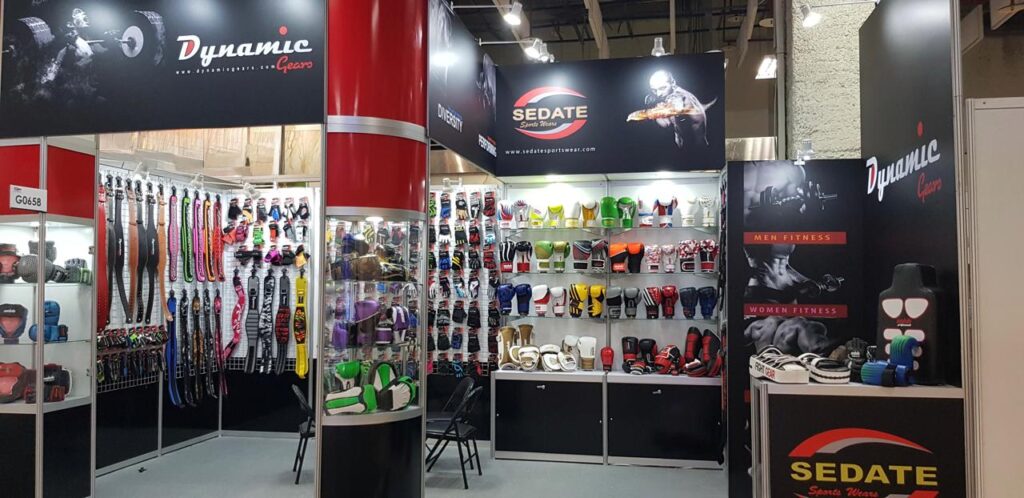
Unlike trading intermediaries, Sedate Group controls every stage of production within our vertically managed facility: raw cotton grading, heavy-weight weaving, pattern cutting, automated embroidery, multi-needle stitching, and final export packing.
We accommodate both emerging boutique brands and established high-volume distributors. Pilot orders for custom Judogi start at just 50 units per colorway/size run, while container-load programs benefit from optimized volume costing.
Our in-house design office transforms technical sketches or physical reference samples into digital CAD patterns within 7 to 12 working days, expediting sample delivery ahead of production sign-off.
Custom prototype samples are produced in 7 to 12 working days. Bulk production typically averages 35 to 45 days after tech pack approval, depending on the order volume and fabric weight. Air freight to Frankfurt Airport takes 5–7 days, while sea freight to Hamburg or Bremerhaven ports requires approximately 22–28 days.
Because Sedate Group manufactures in Pakistan, eligible textile exports (HS Code 6204.22 / 6203.22) enter the European Union under GSP+ status with 0% customs duty. Compared to standard third-country import duty rates (typically 12%), this provides immediate savings for German buyers, enhancing wholesale margins.
Yes. We manufacture uniforms to exact IJF specifications (e.g., 750 GSM fabric limit, 4cm lapel width, specific jacket overlap ratios) and DJB club standards. We configure custom embroidery locations on the shoulders, chest, and pant thighs according to your brand’s regional federation specifications.
We offer end-to-end white-label solutions, including custom woven lapel tags, high-density chest embroidery, sublimated satin neck linings, personalized drawstrings, barcoded hangtags, polybag packaging, and custom branded retail boxes ready for store shelves.
We work with standard international commercial terms, including FOB (Karachi), CFR, CIF (Hamburg/Bremerhaven), and DDP (Delivered Duty Paid) directly to your warehouse in Germany. Payment terms typically consist of a 30% deposit upon tech pack confirmation, with the 70% balance due upon presentation of the Bill of Lading (B/L) and inspection certificates.
Request factory-direct pricing, technical fabric swatches, or order custom prototypes built to German market specifications. Our export engineering desk is ready to assist your brand.
Send an Inquiry