Direct from our Sialkot manufacturing floor: Premium OEM fightwear, sublimation compression gear, and heavy-duty training shorts engineered for combat sports distributors across Tashkent, Samarkand, and wider Uzbekistan.
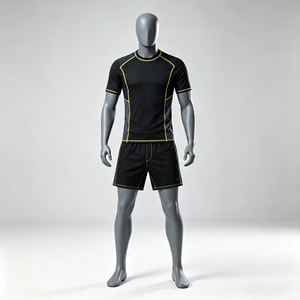
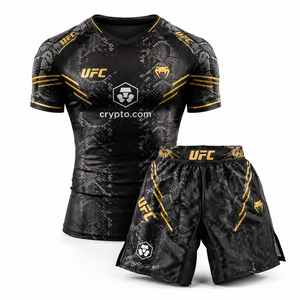
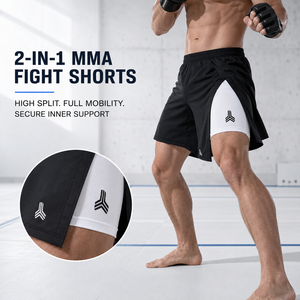
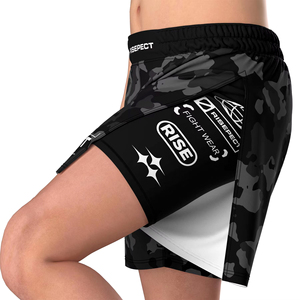
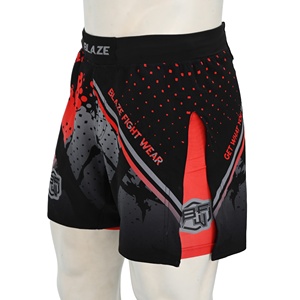
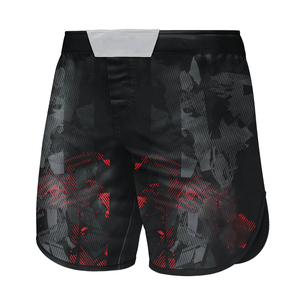
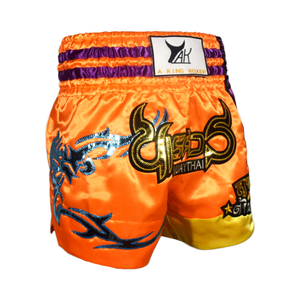
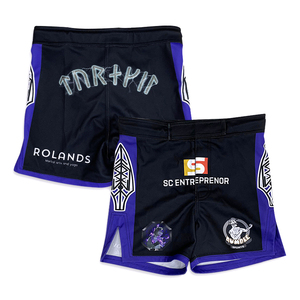
The combat sports ecosystem across Central Asia—and specifically in Uzbekistan—is undergoing an unprecedented structural expansion. Driven by national initiatives promoting combat disciplines such as National Kurash, Mixed Martial Arts (MMA), Sambo, International Boxing, and Kickboxing, commercial training centers, state sports academies, and private fight clubs are demanding higher engineering standards for their protective and training gear. As the regional demand shifts from basic consumer-grade imports to industrial-strength, long-duration training gear, commercial buyers in Tashkent, Samarkand, Namangan, and Bukhara are turning directly to original equipment manufacturers (OEM) capable of custom strike shield manufacturing.
This technical whitepaper provides commercial procurement managers, martial arts gym owners, regional sports federations, and wholesale distributors in Uzbekistan with an authoritative analysis of original equipment manufacturing for strike shields, heavy kick pads, and coaching protection. Produced by Sedate Group of Industries—a premier OEM manufacturer headquartered in Sialkot, Pakistan, with over two decades of export experience across 20+ countries—this document outlines the material engineering, ergonomic construction, supply chain economics, and climate resilience required to build world-class strike equipment tailored for the Uzbek market.
Core Procurement Insight for Uzbek Buyers: Conventional imported strike pads often suffer from rapid polyurethane degradation, seam bursting under heavy low-kick force, and inner foam displacement within 6 to 9 months of intense gym use. Partnering with a dedicated Sialkot OEM factory ensures closed-cell EVA foam layering, reinforced cross-stitched rivets, and military-grade synthetic or cowhide outer shells engineered to endure multi-year commercial training cycles in Central Asia’s continental climate extremes.
A strike shield is not merely a stuffed vinyl cushion; it is a complex kinetic energy absorption device engineered to protect both the trainer holding the shield and the athlete launching full-power kicks, knees, and heavy strike combinations. Understanding the core structural components enables Uzbek distributors to formulate exact technical specifications (Tech Packs) for custom manufacturing.
Our OEM strike shields feature high-density Injection Molded Foam (IMF) bonded with high-rebound Ethylene-Vinyl Acetate (EVA) sheets. This multi-stage core dissipates impact shock evenly across the pad surface, preventing kinetic transfer to the trainer's arms and wrists during heavy kick sessions.
The weakest point on standard shields is handle tearing. We solve this by anchoring heavy-duty nylon webbing directly into internal backing boards using double-stitched cross-patterns and anti-rust steel rivets, guaranteed to withstand up to 850 Newtons of tensile strain.
Choose between premium full-grain cowhide leather or industrial ultra-microfibre synthetic leather. Both options deliver superior tear strength (>120 N/mm), high abrasion resistance, and anti-hydrolysis properties that prevent cracking under sweat exposure.
When requesting private label manufacturing for Uzbek fight clubs or retail distribution, selection of material density and casing specifications determines product lifespan and cost efficiency. The following matrix illustrates our standard commercial manufacturing tiers:
| Specification Parameter | Pro-Club Heavy Duty Shield | Commercial Training Shield | Youth / Lightweight Shield |
|---|---|---|---|
| Outer Shell Material | 1.4mm Microfibre / Full Cowhide | 1.2mm Reinforced PU Synthetic | 0.9mm Standard PU Leather |
| Core Density Rating | 140 kg/m³ Multi-Layer EVA + IMF | 110 kg/m³ Dual EVA Composite | 80 kg/m³ High-Rebound Foam |
| Impact Absorption Rating | Up to 1,200 Joules Kinetic Energy | Up to 800 Joules Kinetic Energy | Up to 450 Joules Kinetic Energy |
| Handle Anchor Method | Steel Rivets + Quad-Stitched Webbing | Cross-Stitched Webbing + Backer Plate | Dual-Stitched Nylon Webbing |
| Ventilation System | Dual Brass Air-Grommets (Pressure Relief) | Mesh Side Release Vents | Perforated Side Panels |
| Expected Gym Lifespan | 3 to 5 Years Commercial Daily Use | 2 to 3 Years Commercial Gym Use | 1 to 2 Years Club/Home Use |
Understanding where and how strike shields are deployed within Uzbekistan allows gym operators and wholesale buyers to request exact customization features—such as target zone graphics, handle ergonomics, and dimensional sizes tailored to specific disciplines.
Uzbekistan has a deep historical legacy in Kurash and Combat Sambo. Modern training facilities integrate heavy kick shields and striking body pads to develop explosive power in takedown setups, foot sweeps, and striking transitions. Custom strike shields supplied to Uzbek academies feature curved ergonomic profiles that contour to the trainer’s torso, allowing seamless defense against heavy low kicks and knee strikes without slipping.
With Uzbek fighters ascending globally in major MMA promotions (such as UFC, ONE Championship, and ACA), commercial MMA gyms in major urban centers require professional-spec curved strike shields. These shields must handle high-velocity roundhouse kicks, flying knees, and elbows. Custom OEM branding with club logos via screen printing, thermal sublimation, or 3D embossing enhances gym branding while offering durable gear to professional fight teams.
State defense sectors and physical readiness departments in Uzbekistan require extra-wide tactical strike shields. These specialized shields utilize military-grade 1000D Cordura or heavy-duty matte microfibre outer covers with triple-reinforced handles. They serve in close-quarters combat (CQC) simulation, riot defense conditioning, and hand-to-hand tactical strike training.
To foster the next generation of champions in Taekwondo, Karate, and Kickboxing, regional Uzbek sports schools require lightweight, impact-softened strike shields. These pads utilize lower-density EVA core blends that protect developing joints in young athletes while maintaining crisp striking feedback for coaches.
Uzbekistan’s sports equipment sector is entering a transformative growth phase. Several key macro-economic and socio-cultural trends are shaping the procurement decisions of sports gear importers:
1. Decentralization of Sports Infrastructure: State-sponsored modernization of sports complexes extends far beyond Tashkent into regional capitals like Namangan, Andijan, Fergana, and Urgench. Regional distributors require reliable supply lines capable of delivering bulk orders of uniform, high-quality combat gear.
2. Demand for Private Label Brand Sovereignty: Uzbek equipment brands no longer wish to act purely as re-sellers of third-party global labels. Importers are creating their own registered private labels in Uzbekistan. By contracting with Sedate Group of Industries, local entrepreneurs secure direct factory pricing, proprietary logo placement, customized color schemes (such as national blue, green, and white combinations), and exclusive regional product lines.
3. Heavy Preference for Climate-Resilient Synthetic Microfibre: Uzbekistan experiences extreme seasonal temperature swings—from severe winter frosts (-15°C to -20°C) to scorching summer heat (+40°C to +45°C). Traditional low-cost PVC and lower-grade PU materials harden, crack, or delaminate under these conditions. High-grade microfibre synthetic leather engineered by Sialkot factories resists thermal cracking, ensuring year-round structural flexibility in non-climate-controlled training facilities.
Sialkot, Pakistan, is universally recognized as the world capital for hand-stitched sporting goods, leather craft, and protective fight gear manufacturing. Over 70% of global premium boxing gloves, martial arts pads, and soccer balls originate from Sialkot's specialized industrial district.
At Sedate Group of Industries, we combine Sialkot’s centuries-old leather craftsmanship with modern industrial engineering. Operating from our state-of-the-art facility at 4KM Aimnabad Road, Sialkot, our capabilities include:
Founded in 2002, Sedate Group has engineered combat gear for international brands, national federations, and global wholesale chains across 20+ countries, maintaining strict compliance with international manufacturing codes.
From raw leather tanning and microfibre sourcing to precision die-cutting, latex injection moulding, hand-stitching, screen printing, and final export packing—every stage is executed under one roof to guarantee zero specification drift.
Every single strike shield undergoes a 5-point quality inspection: foam density verification, handle pull-stress testing, seam stitch-per-inch audit, artwork alignment check, and air-vent pressure release testing before packing.
Partnering with Sedate Group of Industries for custom OEM strike shield production follows a transparent, highly structured 4-stage engineering timeline designed to minimize lead times and eliminate errors:
Send us your product concept, reference photographs, vector artwork, or detailed CAD drawing. Our engineering team reviews target dimensions (e.g., 65cm x 45cm x 15cm), handle layout requirements, material grades (Cowhide, Microfibre, or Heavy PU), and target price point to establish production feasibility.
We construct physical prototypes matching your exact custom colors, printed or embroidered logos, and foam densities. Pre-shipment video and detailed photo documentation are provided, followed by express air delivery of physical samples to your office in Tashkent or Samarkand for hands-on evaluation.
Upon formal sample sign-off, bulk production commences. Our 200+ skilled artisans and 100+ specialized machines execute precision cutting, core layering, handle riveting, stitching, and logo application. Your dedicated export coordinator delivers weekly photo and video production updates.
Finished strike shields are individual polybagged, moisture-protected, and packed into reinforced 5-ply export master cartons. We coordinate sea-land freight routes (Sialkot -> Karachi -> Overland Transit via China/Afghanistan corridor or Iran/Turkmenistan transit directly into Uzbekistan customs terminals).
Navigating cross-border freight between Pakistan and Uzbekistan has been streamlined significantly under regional trade agreements and Belt and Road logistics corridors. Here are essential logistics insights for Uzbek importers:
1. Overland Trucking & Multi-Modal Freight Options: Freight shipments from Sialkot can utilize direct TIR (Transports Internationaux Routiers) overland trucking routes via Afghanistan directly to Termez and Tashkent, yielding transit times of 12 to 18 days. Alternatively, containerized ocean-to-rail transit moves through Karachi Port through Central Asian rail links.
2. Documentation & HS Codes: Sedate Group provides complete export documentation packages required by Uzbekistan Customs authorities, including Commercial Invoices, Packing Lists, Certificates of Origin (Form A), Clean Bills of Lading / Consignment Notes, and Certificate of Quality Inspection. Standard HS Code for Strike Shields & Kick Pads: 9506.91.0000 (Equipment for general physical exercise, gymnastics, or athletics).
3. Low Minimum Order Quantities (MOQ): To support emerging Uzbek private labels, our standard OEM minimum order quantity starts at just 50 pieces per strike shield design and colorway. Apparel items (such as custom rash guards and fight shorts) start at 100 pieces per style, allowing flexible container load combinations.
Direct answers regarding custom branding, material choices, shipping timelines, and payment structures for businesses importing combat sports gear into Uzbekistan.
Pre-production sampling takes 7 to 12 working days. Once your team approves the sample, bulk manufacturing averages 45 days. Transit time via overland TIR freight from Sialkot to Tashkent takes approximately 14 to 18 days, resulting in a total turnaround of 60-70 days from initial deposit to final warehouse delivery.
Yes. We offer high-resolution screen printing, UV digital printing, heat transfer, woven branding patches, and deep leather embossing. You can provide artwork in Uzbek (Latin or Cyrillic scripts), English, or vector graphic formats, and we will produce precise digital mockups prior to printing.
We strongly recommend our 1.4mm Microfibre Synthetic Leather or Premium Cowhide Leather. Microfibre has high hydrolysis resistance, meaning it will not peel, bubble, or absorb odor even under severe sweat exposure and temperature fluctuations typical of continental summer heat.
Our standard OEM minimum run for heavy strike shields and kick pads is 50 pieces per model and colorway. For stitched fight wear, rash guards, and training shorts, MOQ is 100 pieces per style. Startup brands can combine multiple items in one order to optimize shipping costs.
Every approved OEM project is logged with a sealed master tech pack that includes exact foam density sheets (Durometer Shore Hardness ratings), pattern digital files, thread specs, and swatch samples retained in our quality control archive for guaranteed consistency.
We work under FOB (Free on Board Karachi), CFR (Cost & Freight), CIF, or DDP (Delivered Duty Paid) terms. Accepted payment methods include Wire Transfer (T/T) with 30% advance deposit upon order confirmation and 70% balance prior to shipment dispatch or against Bill of Lading documentation.
Connect directly with Sedate Group of Industries' export engineering desk. Get direct factory pricing, sample development, and custom private label solutions tailored for Uzbekistan and Central Asian markets.