Engineered for high-impact sports, tactical maneuvers, volleyball, ice hockey, and ergonomic medical stabilization.
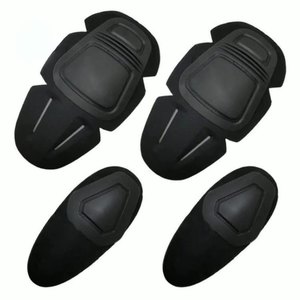
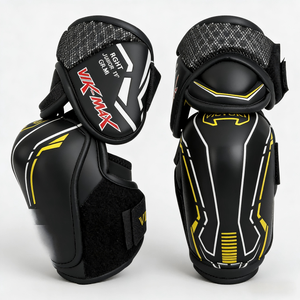
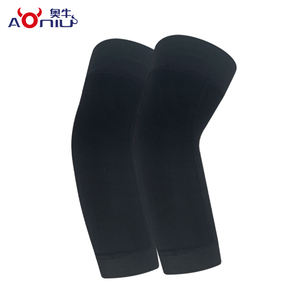
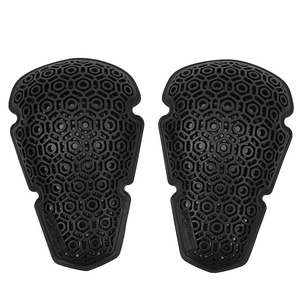
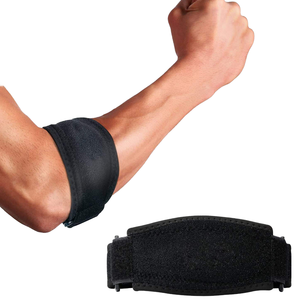
A comprehensive technical report on material physics, biomechanical ergonomics, and global procurement strategies for commercial buyers.
As a leading Chinese wholesale manufacturer and global exporter, our engineering focus centers on balancing peak impact dispersion with physiological kinetic freedom. Human elbow articulation involves a complex compound joint hinge (ulnohumeral and radiocapitellar joints) combined with radioulnar rotation. Standard protection often fails due to migration during high-velocity flexion.
To overcome structural displacement, our factory integrates advanced 3D anatomical molding and zoned elastic knitting. Using computer-controlled circular weaving machinery, we produce compression sleeves featuring graduated pressure gradients (15–25 mmHg). This promotes venous return, decreases muscular fatigue, and anchors protective pads precisely over the olecranon process without restricting distal blood flow.
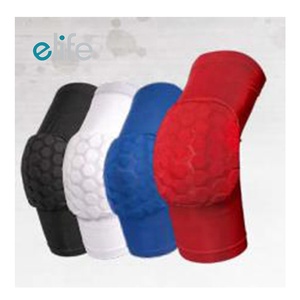
Technical Insight for Procurement Officers: Impact absorption is evaluated under CE EN 1621-1 standards. Our dynamic TPE (Thermoplastic Elastomer) and non-Newtonian shear-thinning fluid foam formulations transmit under 18 kN of force upon high-energy impacts, making them compliant with top-tier international safety regulations.
Molecules remain flexible under normal movement but instantly lock together upon sudden kinetic impact to absorb and dissipate up to 90% of kinetic energy.
High-density Ethyl Vinyl Acetate foam offers zero water absorption, low thermal conductivity, and lightweight cushioning for tactical and ice hockey gear.
For high-abrasion applications (tactical crawling, outdoor cycling), pad faces are capped with ballistic-grade aramid fibers to prevent tearing on concrete or ice.
Sedate Group and our extended Chinese production clusters bring over 23 years of specialized manufacturing experience in protective gear, sports equipment, and medical orthotics. Operating out of state-of-the-art facilities equipped with over 100 specialized machines—including automatic die-cutting presses, ultrasonic bonding systems, and computerized multi-needle sewing lines—we guarantee exact specification repeatability for every bulk lot.
Our OEM manufacturing process operates under strict ISO 9001:2015 quality control systems. From initial tech-pack interpretation to final shipping packaging, each batch undergoes a 5-tier Quality Assurance check: raw material tensile testing, foam density auditing, stitch-density inspection (minimum 7-8 stitches per inch), impact acceleration testing, and final drop-check carton sampling.
We work directly from CAD drawings, Adobe Illustrator tech packs, or physical prototype samples. Our pattern engineers deliver custom counter-samples within 7 to 12 business days.
To support growing brands while accommodating multinational distributors, our flexible line scheduling offers low minimum order quantities starting at 50 to 500 pairs per style depending on customization levels.
Full spectrum branding services: woven seam labels, heat-transfer vinyl logos, embossed silicone badges, custom hangtags, barcoded polybags, and retail-ready printed color boxes.
All materials comply with REACH, RoHS 2.0, California Proposition 65, and CPSIA standards. We guarantee zero toxic phthalates, heavy metals, or hazardous azo dyes in our textiles.
The global protective gear landscape is undergoing a structural transformation driven by sustainability regulations, smart material integration, and supply chain digitalization. Wholesale buyers and brand sourcing managers must adapt to several critical market shifts over the next five years:
European and North American markets increasingly mandate post-consumer recycled (PCR) polyester yarns and sugarcane-derived bio-EVA foams to reduce carbon footprints without sacrificing impact absorption performance.
Traditional cut-and-sew methods generate 15-20% fabric scrap. Advanced automated 3D flat knitting molds elbow sleeves directly into shape, eliminating seam friction and dramatically cutting material waste.
Consumer boundaries between athletic gear and orthopedic support are blurring. Future-proof product lines incorporate dual-function features: high-impact gel shields paired with targeted medical-grade compression for active joint pain management.
In response to evolving search intent and consumer demand for lighter, cooler, and stronger gear, elite manufacturers are investing heavily in functional textile physics. Key technological vectors include:
A. Advanced Thermal Management: High-exertion sports like basketball and cycling require micro-climate regulation. By incorporating phase-change materials (PCM) and perforated laser-cut neoprene backings, our elbow supports dissipate sweat micro-droplets 40% faster than traditional SBR neoprene sleeves.
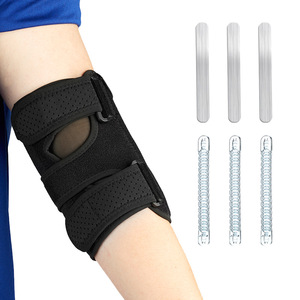
B. Smart Hinge Mechanisms: In heavy lifting and orthopedic rehabilitation, rigid steel inserts are being replaced by dynamic poly-centric poly-carbonate hinges and flexible spiral spring stays that flex smoothly along the elbow's dynamic axis while preventing hyper-extension injuries.
Clear, direct technical answers covering customization, minimum orders, factory audits, tariffs, and shipping logistics.