
Explore top-tier combat wear, ergonomic chest protectors, and high-density training gear customized for global brands and fight academies.
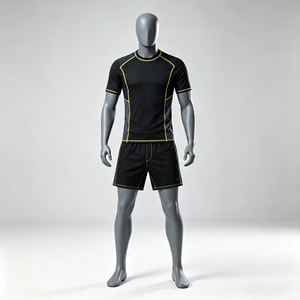

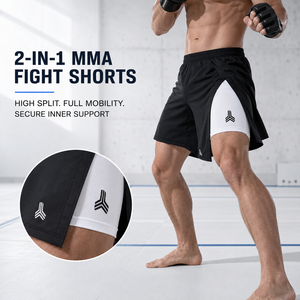
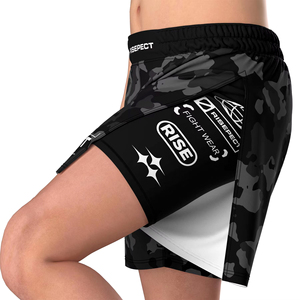
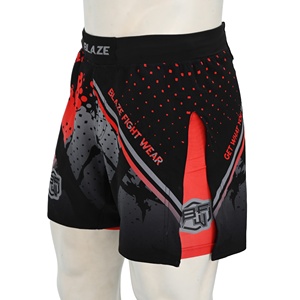
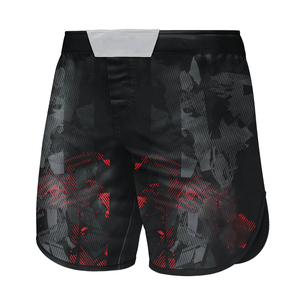
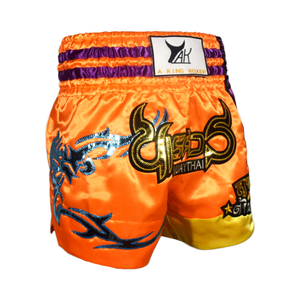
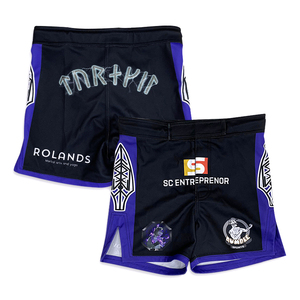
In the modern combat sports industry—spanning Taekwondo (WT/ITF), Mixed Martial Arts (MMA), Karate, Boxing coaching, and Tactical Sparring—chest protectors (also known as body guards, chest guards, or torso armors) represent the critical boundary between athletic performance and severe blunt-force trauma prevention. For global brand managers, procurement directors, and sports equipment distributors, selecting the ideal China chest protectors factory is not merely a cost calculation; it is a rigorous process of auditing material foam chemistry, structural ergonomics, dynamic force-dispersion engineering, and regulatory compliance.
This whitepaper provides an exhaustive technical analysis of how top-tier manufacturers design, prototype, and mass-produce commercial and tournament-grade chest protectors. By combining advanced polymer padding, structural synthetic leathers, and precision heat-welding techniques, leading OEM supply chains in East Asia deliver protective gear that satisfies both international safety mandates (such as CE EN 13277 standards) and high-volume private label requirements.
The core protective performance of any high-end chest guard lies in its multi-layered foam architecture. Leading OEM factories utilize a layered sandwich construction designed to manage kinetic energy transfer through two distinct physics principles: initial shock attenuation and deep kinetic energy dispersion.
| Layer Sequence | Material Composition | Density Range | Primary Mechanical Function |
|---|---|---|---|
| Outer Impact Shell | Microfiber PU / Cowhide Leather | 1.1 – 1.3 mm thickness | Tear resistance, abrasion protection, surface puncture resistance. |
| Primary Strike Layer | High-Density EVA (Ethylene-Vinyl Acetate) | 80 – 120 kg/m³ | Deforms locally to absorb peak force spikes from strikes. |
| Secondary Cushioning Layer | IMF (Injected Molded Foam) / Open-Cell PU | 45 – 60 kg/m³ | Disperses residual kinetic energy evenly across the chest plate. |
| Inner Ergonomic Lining | Anti-Bacterial Moisture-Wicking Mesh | 180 – 240 gsm | Thermal regulation, perspiration absorption, slip suppression. |
Superior factories employ closed-cell EVA blended with cross-linked polyethylene (XLPE) via high-pressure hot compression molding. This structure prevents memory fatigue, ensuring that the chest protector retains its original shock-absorption value even after thousands of heavy strikes during intense sparring sessions.
When specifying technical specs in an OEM tech pack, choosing the outer shell material directly impacts unit product cost, longevity, and regional compliance. Leading factories provide three primary material tiers:
From digital pattern engineering to 5-stage inline quality control, discover how our production lines deliver consistent batch-to-batch precision.
Our in-house design lab converts customer tech packs, 3D CAD renders, or physical samples into digital cutting files and precision foam injection molds within 7 days.
Every production batch undergoes strict quality gates: foam density verification, double-stitched seam tension testing, drop-weight impact testing, and barcode accuracy audit.
We provide comprehensive branding techniques including high-density screen printing, 3D silicone heat transfer, embossing, debossing, custom woven tags, and retail-ready packaging.
The global martial arts equipment market is undergoing a structural evolution driven by athlete safety awareness, electronic scoring integration, and eco-friendly manufacturing mandates. Importers and brand owners must align their product development roadmaps with the following strategic shifts over the next 5 to 10 years:
With electronic scoring systems (PSS) becoming mandatory across World Taekwondo (WT) sanctioned events, chest protector manufacturing is shifting from purely passive foam pads to smart wearable hardware. Top China factories are integrating ultra-thin, flexible capacitive impact sensors beneath the PU outer shell. These sensors wirelessly transmit force impact readings and hit locations to electronic scoring software, requiring factories to maintain clean-room assembly capabilities alongside traditional leather stitching lines.
European and North American buyers are increasingly enforcing ESG compliance across supply chains. Advanced chest protector factories are replacing traditional petroleum-based EVA foams with bio-based EVA derived from sugarcane byproduct, alongside 100% recycled polyester (rPET) linings. Transitioning to water-based PU coatings eliminates volatile organic compounds (VOCs) during assembly, lowering carbon tariffs for global importers.
Historical "one-size-fits-all" flat chest guards are rapidly being phased out in favor of anatomically contoured 3D chest shields. Female-specific chest guards engineered with molded anatomical breast domes and flex-grooves around the sternum and ribcage are experiencing exponential demand. Modular chest guards featuring removable, washable outer shells and interchangeable foam cores are establishing a new benchmark for hygiene and product life cycle extension in commercial academies.
| Trend Vector | Traditional Industry Benchmark | Next-Generation OEM Standard (2025+) | Procurement Advantage |
|---|---|---|---|
| Foam Material | Standard Recycled Scrap EVA Foam | Bio-Based Closed-Cell XLPE / Memory Gel Layer | Higher impact absorption, 25% weight reduction. |
| Ergonomics | Flat Slab Uniform Thickness | 3D Molded Rib Protection & Sternum Ridge | Superior anatomical fit, zero shifting during fight. |
| Environmental | Solvent-Based PU & Solvent Glues | Water-Based Eco-PU & Solvent-Free Lamination | Full REACH/RoHS compliance for EU/US markets. |
| Strapping System | Single Elastic Criss-Cross Strap | Dual Quick-Release Tactical Buckles + Neoprene H-Harness | Fast equipping, zero neck pressure, maximum stability. |
Get immediate answers regarding MOQs, sampling timelines, custom mold charges, and export shipping logistics.
Whether you are expanding an established combat sports brand, outfitting a national federation, or launching a private label fight gear line, our factory provides the engineering precision, material quality, and scalable capacity to drive your commercial growth.
Get Catalog